
By Natalie May G. Sioco
Along every corner of this country, you will always find the four corners of a basketball court, standing as a monument for the nation’s enduring devotion to the sport. Yet, somehow, athletes who wave the Philippine flag on international stages seem to have no space in such courts.
These go beyond just the court; the lack of space that athletes face is not merely physical but also institutional—many are forced to hone their skills outside the very system they represent.
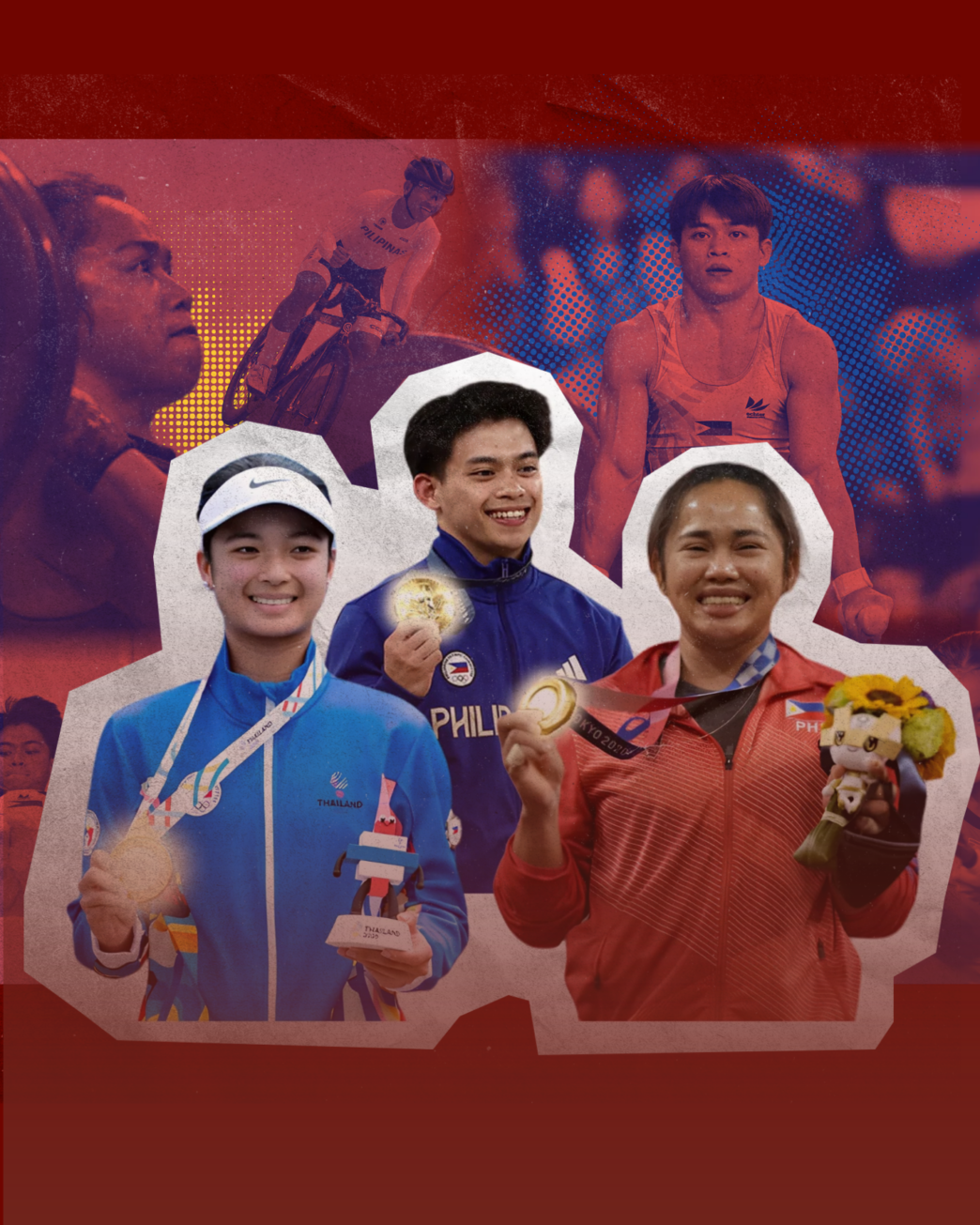
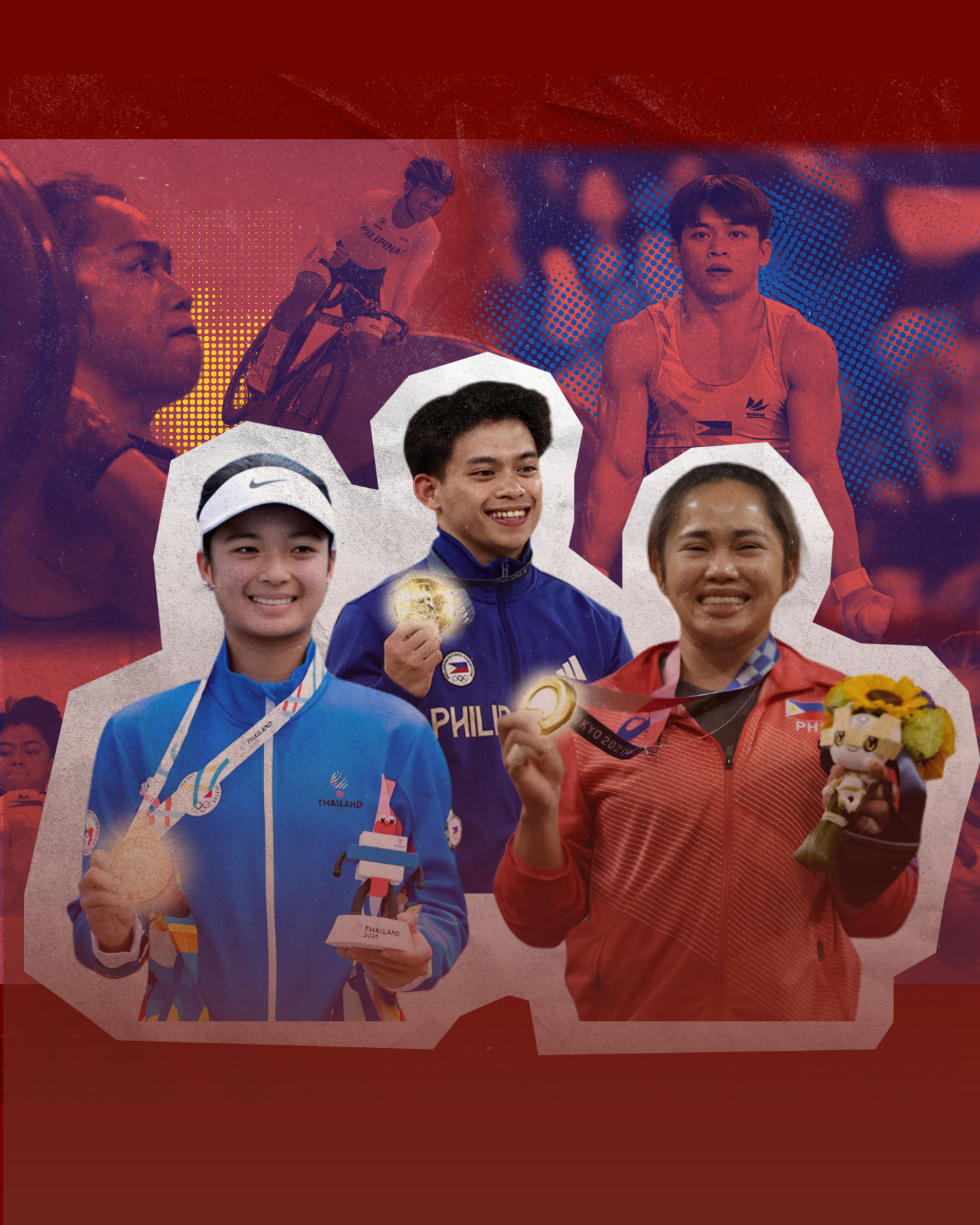
While concrete courts somehow find their way into nearly every barangay hall, weightlifting champion Hidilyn Diaz found concrete elsewhere: cast onto the ends of her improvised barbells.
She began her journey in Zamboanga, where she carried heavy water containers for her parents and lifted a makeshift barbell fashioned from a bamboo pole, with cement weights cast inside old cans and plastic containers. She simply improvised with the little she had.
That improvisation followed her long after Zamboanga. In 2019, ahead of what was then the Tokyo 2020 Olympics, Diaz publicly asked if it was acceptable to seek sponsorships from private companies. “I’m already having such a hard time, I need financial support,” Diaz said. Two years later, she brought home the Philippines’ first-ever Olympic gold medal.
However, not all scarcities can be solved with improvisation alone. Some of these athletes knew that while facilities exist, opportunities for world-class growth are limited, their journeys were pushed beyond the Philippine borders.
Gymnast Carlos Yulo, for instance, trained at the aging Rizal Memorial Sports Complex, a facility long criticized for its lack of modern apparatuses and adequate safety equipment. In pursuit of improvement, Yulo eventually relocated to Tokyo, Japan. At just sixteen years old, Yulo honed his talent training in an environment far from home.
His story also finds parallels in tennis prodigy Alex Eala. The sport itself is already a rarity to find in the Philippine Landscape. Eala was compelled to leave the country at just thirteen years old to train in Spain, as the Philippines could not provide the competitive pathways and world-class facilities her sport demanded.
Yet, their challenges do not only manifest through resources and developmental limitations. For others, the struggle lies in the environments they live in.
This is exemplified by the national record-breaking cyclist Zedrick Ivan Honorica. Honorica built his endurance not on professional tracks, but on chaotic public roads riddled with improper use of bike lanes while balancing his training with work as a food delivery rider.
Many Filipino athletes who have carried the nation onto international podiums continue to return home finding little to no support waiting for them.
All the while, the country continues to flourish in its abundance of basketball courts, celebrated for their versatility, yet their many purposes have seemingly left little room for the very athletes they are meant to serve.
Yet, multi-purposeness shouldn’t come at the cost of its main purpose: to cultivate athletic excellence. Volleyball, badminton, and sepak takraw may borrow the same slab of cement, but world-class sports development demands matted floors.
And the winds of Philippine sports have long since shifted. The youth has proved that our national flag looks stunning on gymnastics mats, cycling tracks, and tennis courts just as much as on the hardwood.
It is high time that the nation goes beyond balls and hoops. Not by abandoning one sport for the sake of another, but by extending the same support, enthusiasm, infrastructure, and investment into the athletes and sports that bring this nation to international stages.
For too long, many of these athletes have walked their journeys largely alone, often only finding company once medals and international acclaim find their way around their necks. Social media erupts with overwhelming cheers and congratulatory messages. But were these voices there when athletes needed proper shoes? When families struggled to pay for equipment, uniforms, or medical expenses?
National pride shouldn’t arrive at the podium. Rather, it should start long before the medals come. Neither should the praises only after the shiny legacy of an athlete’s sudden victory has come while ignoring the heavy rain that nearly drowned them along the way. Rather, it lies in ensuring that future champions no longer have to weather the storm alone.
This country does have champions, yet when support was needed the most—it wasn’t there. Perhaps its tragedy was how it mistook the abundance of a court for support. There was not much enrichment that paved the way towards excellence. So, if our athletes have already carried the nation beyond just basketball, then it is time that the nation follows too.