
by Daniel Enrico
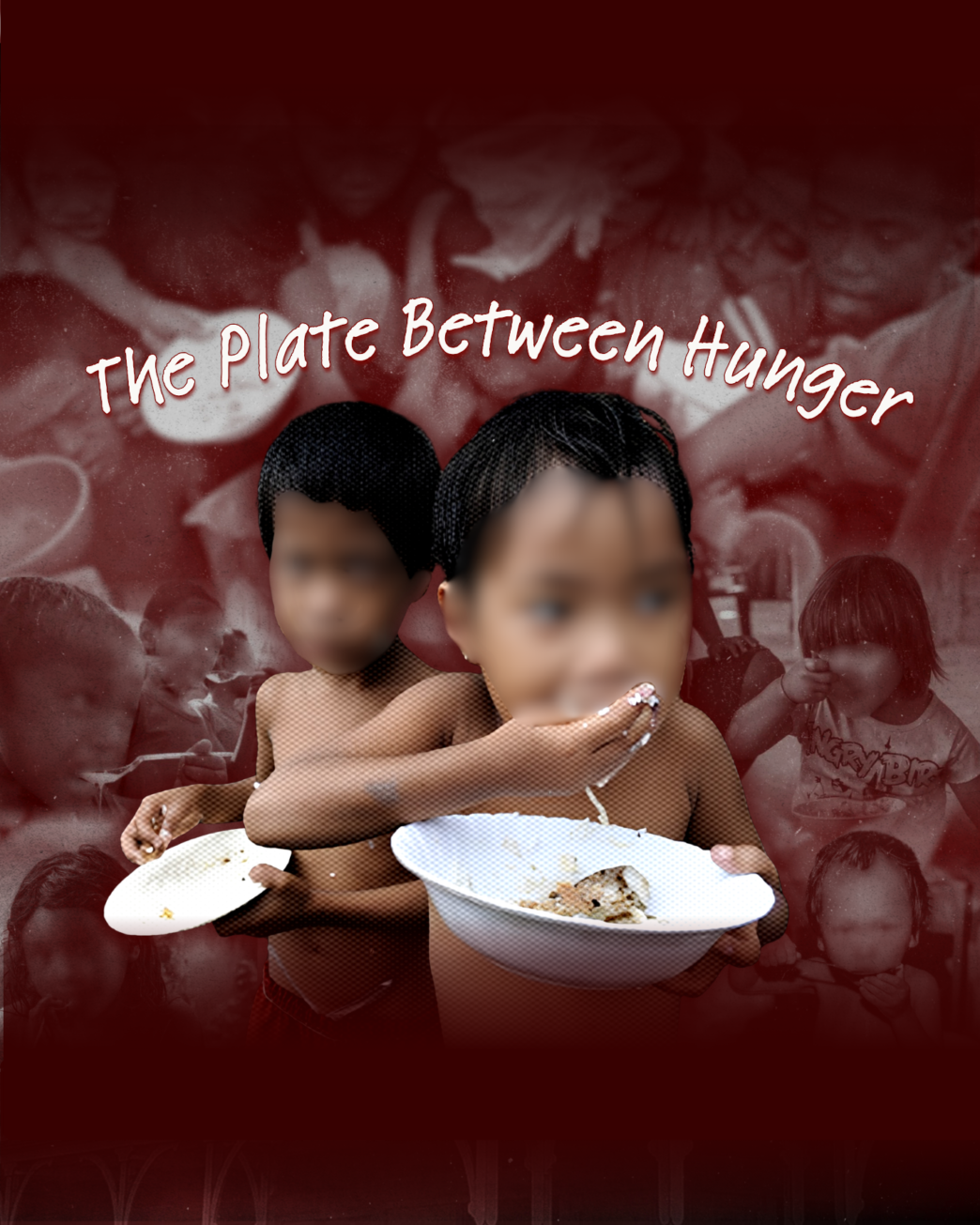
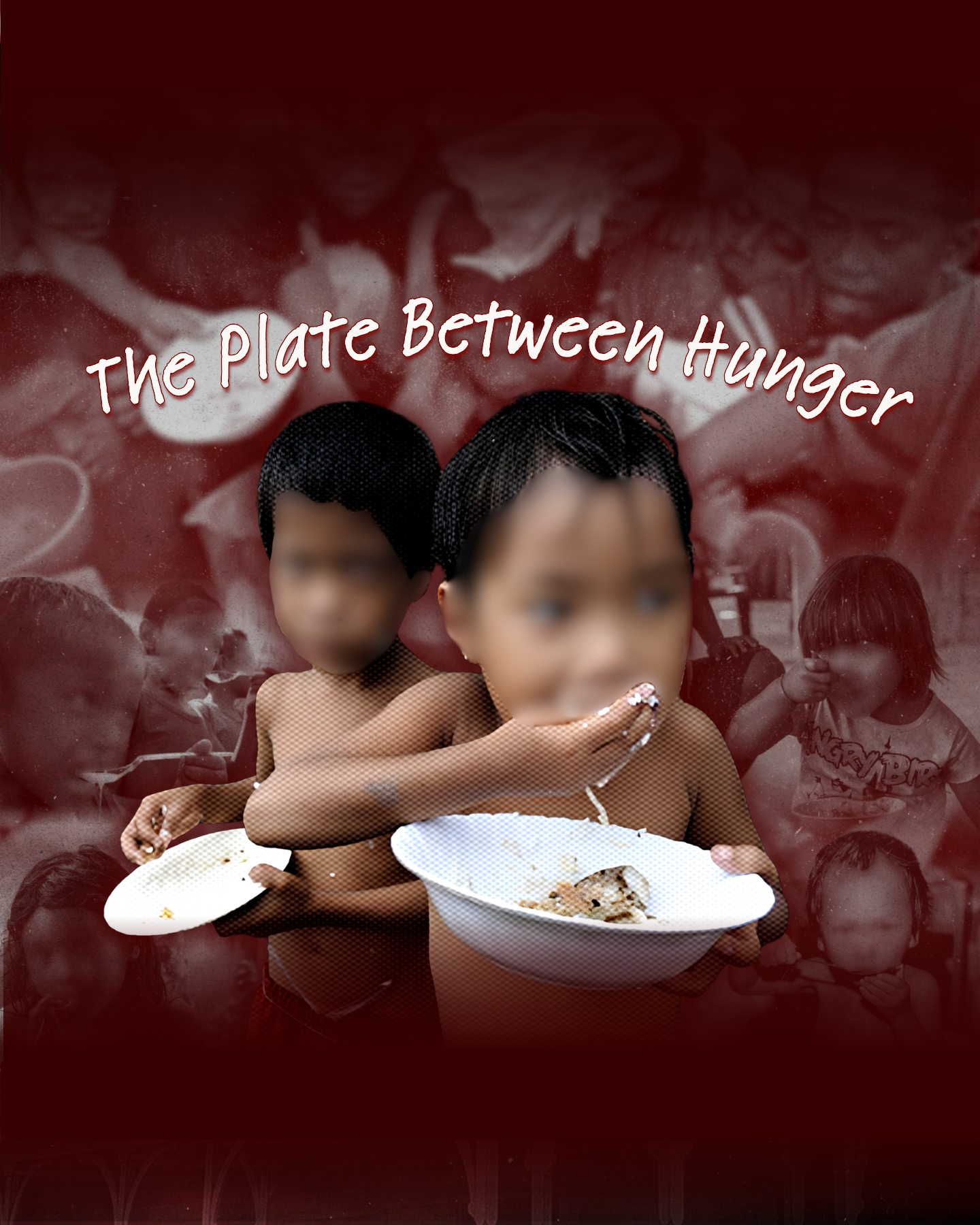
One by one, children line up to return their plates, the warmth of rice and soup lingering as the spoons clear the remaining grains. For a few hours, the school feeding program had done its job against malnutrition.
Beyond the school gate, many would return to homes where the next meal remained uncertain. For countless Filipino children, this is what malnutrition looks like—a cycle of uncertainty that begins long before hunger is seen.
The country has never stopped reminding its people to eat well. Every year, Nutrition Month brings feeding programs, classroom campaigns, and repeated conversations about healthy living. Yet even as awareness is celebrated, hunger quietly persists in Filipino homes.
“Malinaw po sa datos na hindi makakapag-aral nang maayos ang bata kung gutom siya,” Education Secretary Sonny Angara has emphasized, noting that classroom hunger directly sabotages a child’s capacity to learn.
While school feeding programs help keep children present and ready to study, they remain a brief interruption to hunger, not its permanent cure.
For years, the prevalence of child malnutrition had steadily declined as health initiatives expanded nationwide. That progress, however, showed signs of reversing when government nutrition data released in 2025 reported that one in four Filipino children under five remains stunted—the first increase in a decade.
Acknowledging the physical toll this takes on the nation’s youth, President Ferdinand R. Marcos Jr. pointed out that many children appear far too small because they lack adequate food — “stunted kung tawagin” — leaving them vulnerable to frequent illness.
Data from the Department of Science and Technology–Food and Nutrition Research Institute (DOST-FNRI) records a 23.6 percent stunting rate among children under five, while 5.6 percent suffer from wasting, and 31.4 percent of households experience moderate to severe food insecurity.
Speaking on behalf of DOST Secretary Dr. Renato Solidum Jr., Deputy Director Atty. Lucieden Raz noted that these findings provide a vital foundation for policy. “These will guide the setting of new targets and interventions while empowering stakeholders to re-strategize and address the persistent triple burden of malnutrition,” Raz stated.
Progress has previously been driven by national initiatives such as the Philippine Plan of Action for Nutrition, the Philippine Food Fortification Act, and Republic Act 11148, or the Kalusugan at Nutrisyon ng Mag-Nanay Act. Yet despite these frameworks, nearly one in two Filipinos still struggles to consistently put balanced meals on the table.
For most families, staple rice is accessible, but protein, fruits, and vegetables remain beyond the household budget. Addressing this gap at the family level, Finance Secretary Frederick Go highlighted social protection measures designed so that “vulnerable families will have direct, dignified, and timely access to nutritious food.”
In the Philippines, malnutrition appears in different forms: children who are too short for their age because years of poor nutrition have caused stunting, children whose weight is too low for their height due to wasting, and families who may have enough to eat but not enough to eat well. It is the quiet consequence of meals built around what is affordable rather than what is nutritious.
Former Health Secretary Paulyn Jean Rosell-Ubial warned that children with moderate acute malnutrition face a higher risk of mortality. Without adequate support and sustained health interventions, manageable nutritional deficits can quickly escalate into severe acute conditions.
Poor nutrition is rarely the result of a single missed meal. It is shaped by parents working long hours for low wages, rising food costs, and limited access to healthcare and nutrition programs in remote communities.
When children grow up without adequate nutrition, the consequences extend across generations. The National Nutrition Council has framed chronic child undernutrition as a serious development concern, echoing warnings that “the time bomb is slowly ticking and is left invisible and silent.”
A child deprived of proper nourishment faces hurdles in school performance, long-term health, and future economic opportunities, making it difficult for families to break the cycle of poverty.
Feeding programs continue to provide essential support to vulnerable children, and their immediate value is undeniable. However, every meal served at a temporary feeding site underscores the ongoing need for permanent healthcare infrastructure, social protection, and sustainable economic solutions.
The emptiest thing on the table has never been the plate, it has always been the promise that no Filipino child should ever have to wonder where the next meal will come from. For a child, hunger is not only the space left on a plate, it’s the question of whether there will be another plate to fill tomorrow.