
By Chaz Vanhaltren
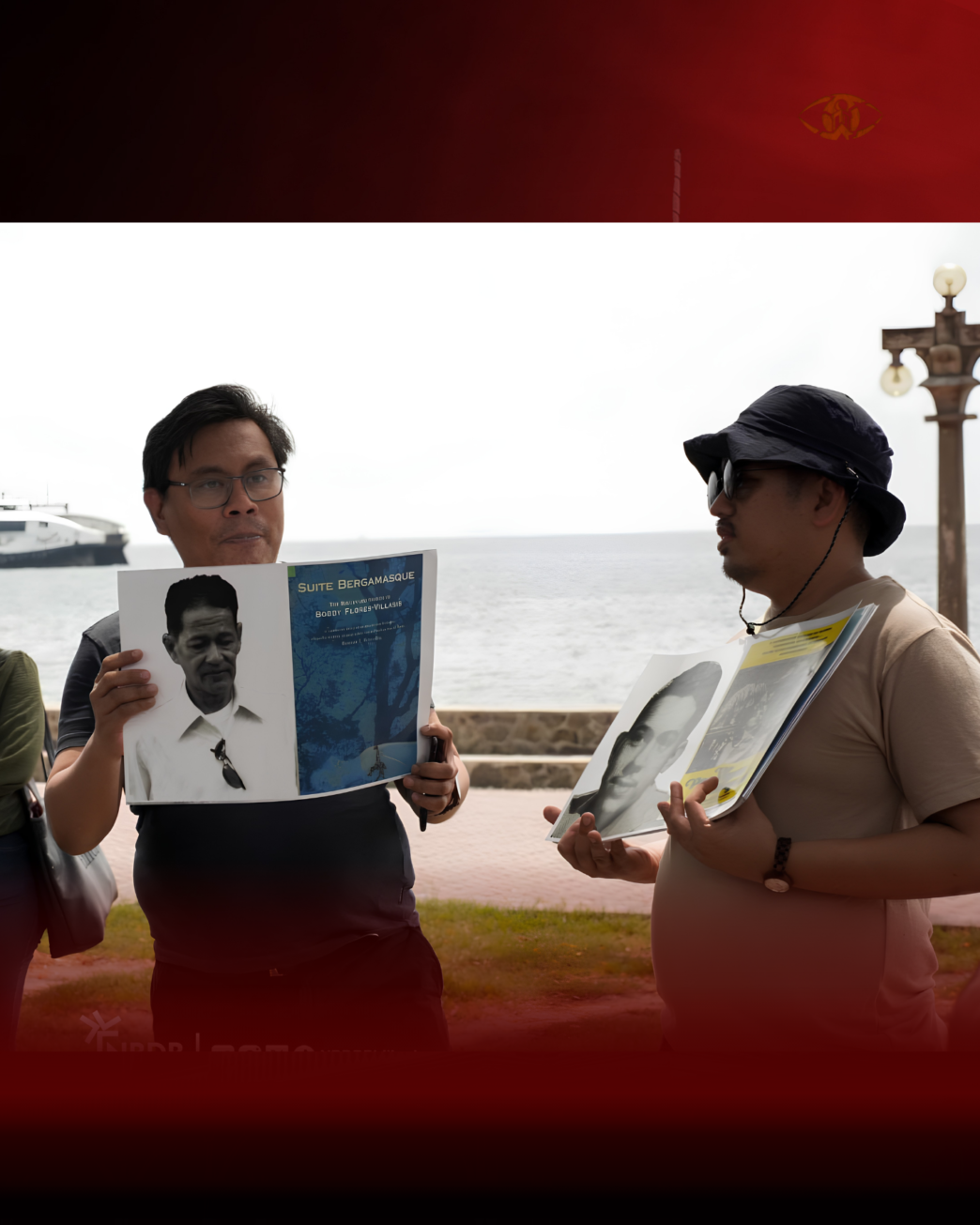
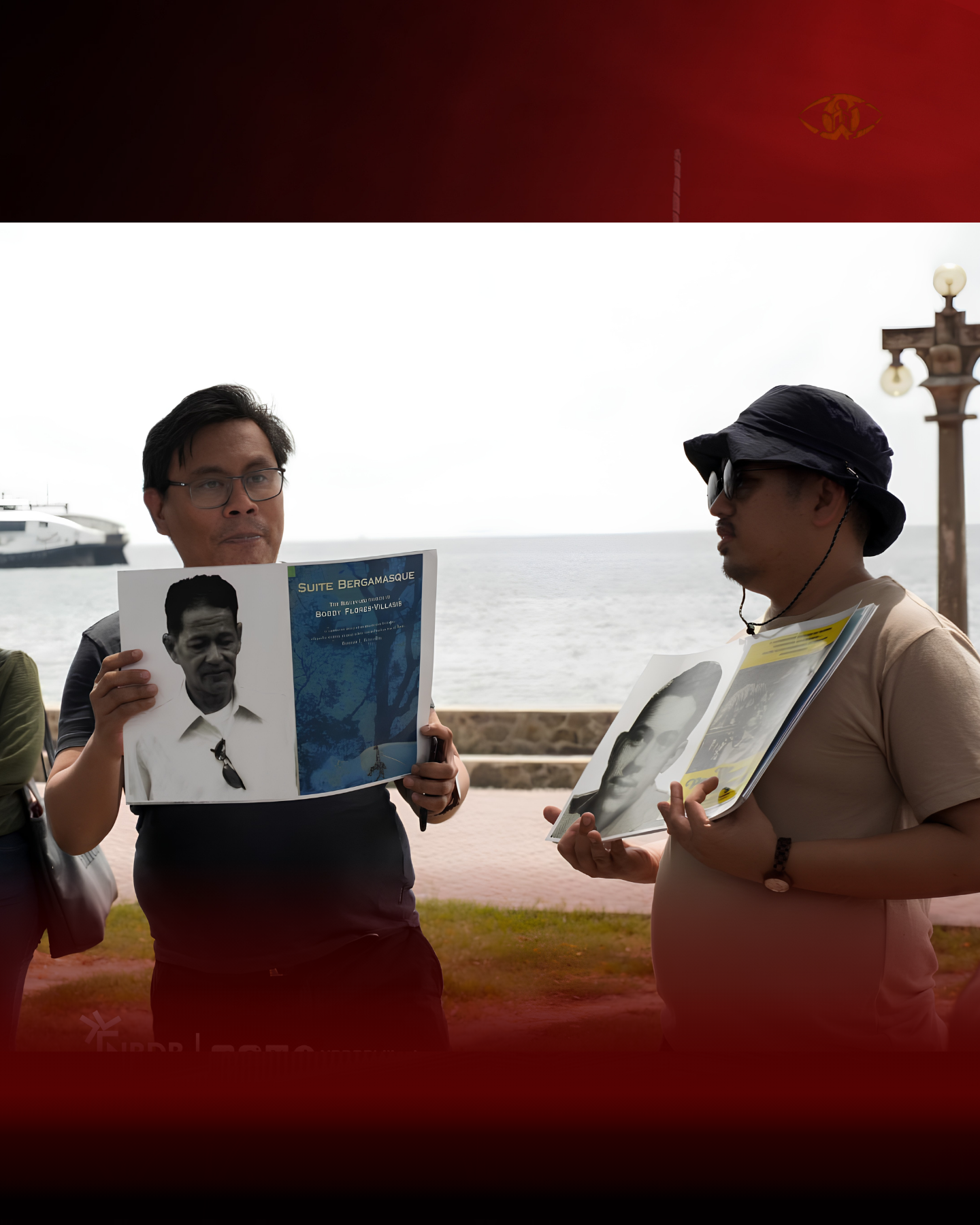
Dumaguete City hosted the first regional book fair in the Negros Island Region, titled “6200 BookFest,” gathering publishers and writers nationwide from July 17 to 19 at Filinvest Mall.
6200 BookFest co-director Ian Rosales Casocot said the National Book Development Board (NBDB) proposed the regional book fair to provide a platform for Visayan publishers and books.
“We cater more to the publishers instead of the writers. There’s already one in Manila [and] Mindanao. So we really wanted to concentrate more on the Visayas,” he said.
The book festival featured a zine makeshop, self-publishing workshop, film screening, and various book launches and presentations from local writers.
Casocot also said the book fair featured “Tigom,” the first summit to gather representatives from sectors covered by Dumaguete’s UNESCO City of Literature designation.
“[We are trying] to get their ideas on [how] they see Dumaguete as a City of Literature, what are the challenges to their sectors so that we can help them in the future,” he said.
This year’s theme is “Across The Shores,” which celebrates the journey stories take, crossing distances and cultures to connect people and communities, and carrying new perspectives.
Casocot also said they invited other UNESCO Creative Cities in the country including Baguio for craft and folk arts, Cebu for design, Iloilo for gastronomy, and Quezon City for film.
The book fest co-director, however, said the 6200 BookFest will be held every two years, as the limited number of organizers are also working on the city’s annual Literary Festival.
“For the most part, there’s only six, seven of us who are working. Of course, we have volunteers. But in terms of planning and doing everything, there’s only seven of us working together,” he said.
In line with the city’s UNESCO designation, Casocot said a city ordinance to establish a literary office and board in Dumaguete is ongoing.
“The literary office is tasked to administer all the literature events for the city, and to compile reports for UNESCO because we are evaluated every five years,” he said.
The literary board will be composed of city tourism and education officials with one representative from various literary fields such as fiction, history writing, and songwriting.