
By: Kate Giordan Flores
Public service in the media is no longer confined in the newsroom. As the media continuously evolves, so do the ways individuals inform and serve their communities. However, the power of influence carries a fundamental responsibility.
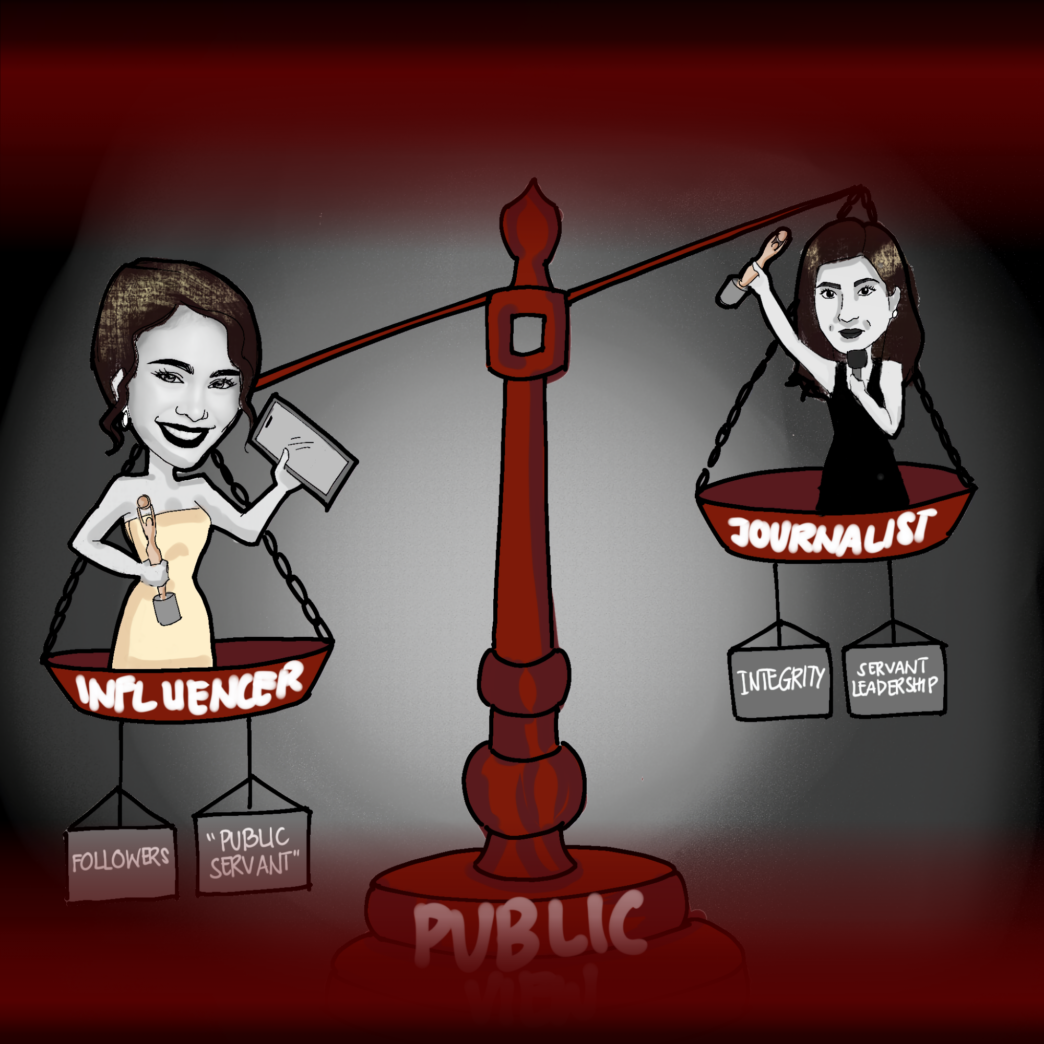
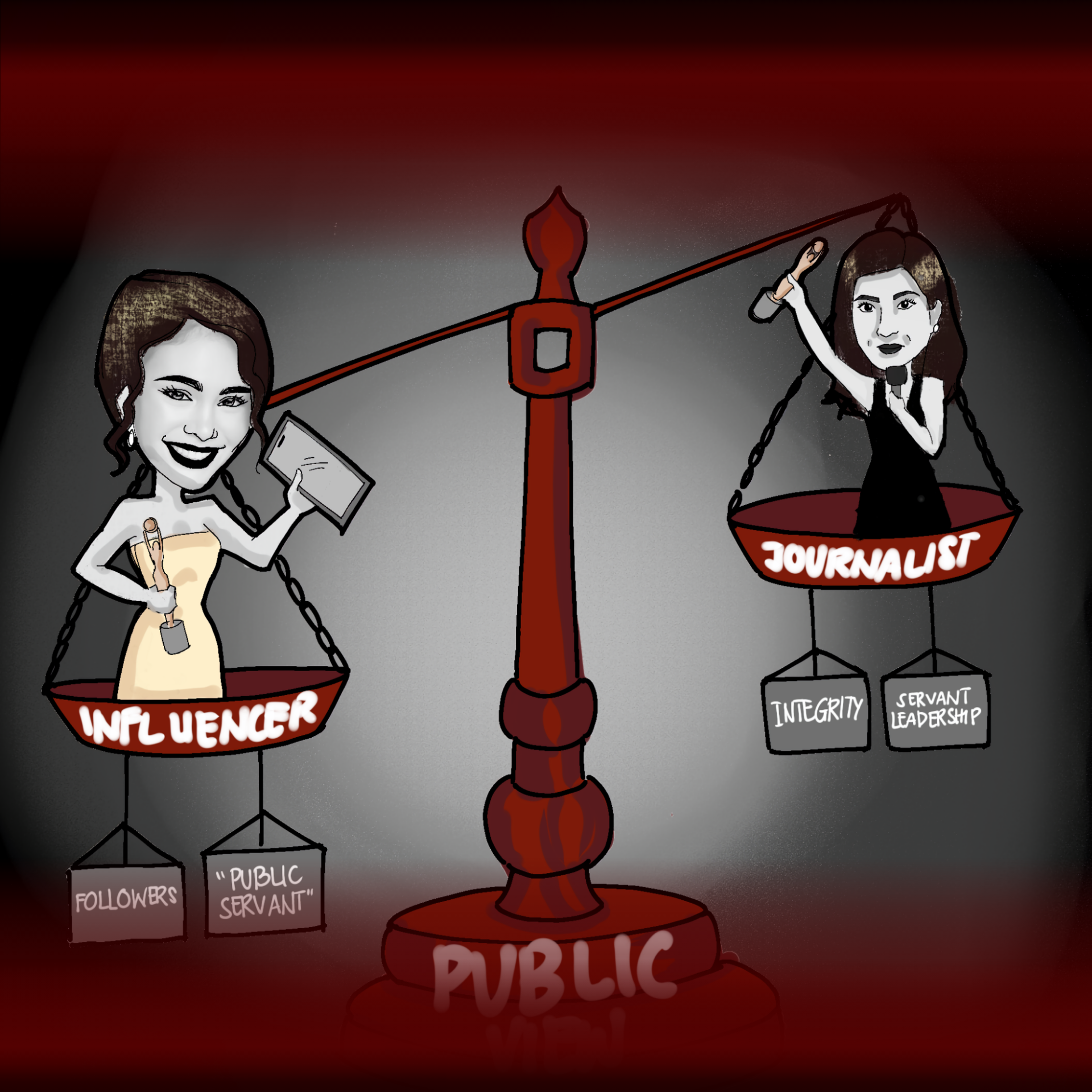
On July 20, the inaugural Filipino Academy of Movies, Arts and Sciences (FAMAS) Broadcast Arts Award declared a tie between social media personality Ivana Alawi and award-winning broadcast journalist Kara David in the Best Host for Public Service category.
According to FAMAS, the award recognizes figures who have dedicated their platforms to “informing, assisting, and empowering communities,” while demonstrating compassion, credibility, and a steadfast commitment to serving the public. Winners are decided through designated panels of specialized jurors and organization leaders.
Beyond the category, David also earned Best Documentary for her I-Witness episode “Embalsamador de Motor” and Best Public Affairs Talk Show for GMA’s public affairs podcast I-Listen. Alawi also received Best Public Service Show for her YouTube series Ivana for All.
The tie sparked mixed reactions online, with much of the discussion centered on what should qualify as “public service in the media.” While Alawi has demonstrated her efforts to help people through digital content, some questioned whether her work should be placed on the same footing as David’s decades-long contribution to broadcast journalism and documentary storytelling.
On July 29, David emphasized her respect for different platforms that use storytelling to help people when she appeared as a guest on Fast Talk with Boy Abunda, where she addressed the online debate surrounding her tie with Alawi for the award. Moreover, David stressed that public service should not be self-serving, but should instead remain centered on helping others and addressing the needs of the community.
Notably, FAMAS has acknowledged the growing role of digital platforms in reaching communities by extending its recognition beyond traditional television to include digital creators and online platforms. Expanding the definition of “public service” should be deeply reflected especially if it comes without clear standards for credibility and accountability towards how it is evaluated.
Equating influencer-led content with journalism risks overlooking the standards and responsibility that define public service journalism. Digital creators can raise awareness and help communities. However, journalists are entrusted with a greater responsibility to inform the public and hold institutions and individuals accountable.
Therefore, public service should not be measured by how many people a piece of content has reached but by the integrity, accuracy, and responsibility behind the work. David’s work in her investigative and documentary reports reflects these responsibilities, which cannot be measured alone by charitable acts and reach of social media platforms.
The Weekly Sillimanian calls on the FAMAS jury to have transparency towards their criteria for each award category and its voting procedures to justify its decisions. These awards are not simply accolades but they help set the standard in their respective fields, therefore they have direct influence on the public’s perception toward them.
If public service in media should not be confined in the newsroom, then it should not be measured by how far the message reached, but how it responsibly informs and serves the public. The standards of public service should endure even as the forms of media continue to evolve. An award that seeks to recognize excellence must first uphold the principles that define it.