

By Dhel Sue Cabiara and Lealina Evangeline A. Reyes
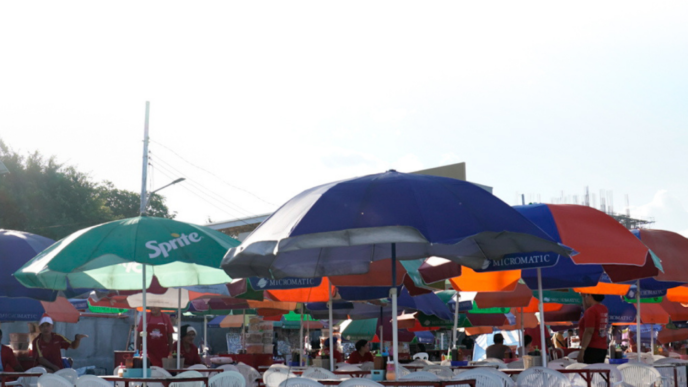
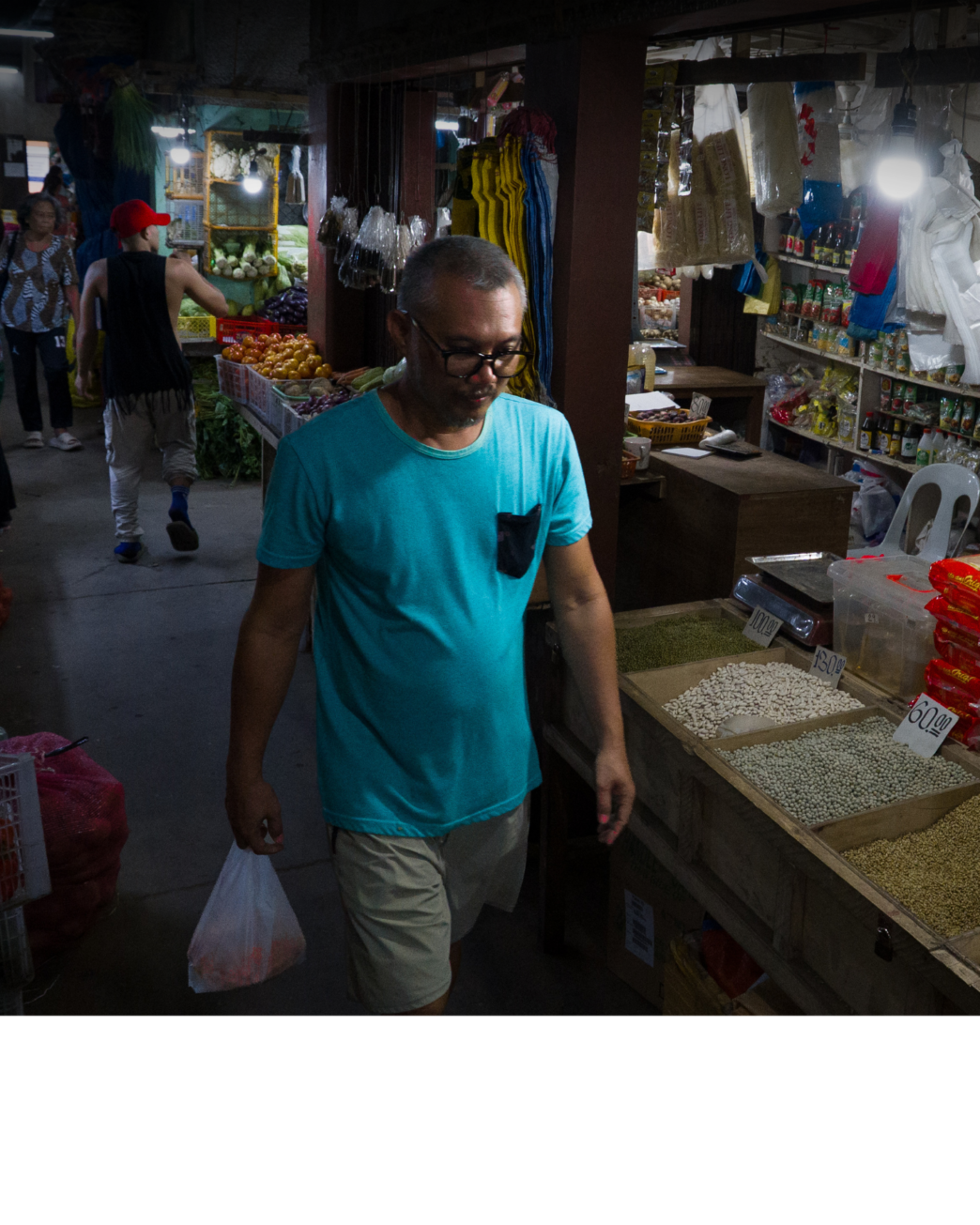
The Dumaguete Public Market, locally known as Tiangge, is an integral part of the city’s culture and identity. For over 40 years, the market has stood as the local heart of commerce where people from all walks of life meet, transact, and develop familiar bonds for daily sustenance.
When whispers of renovation and relocation arose in May, its steadiness was disturbed, prompting mixed sentiments among its vendors.
The City Development Council of Dumaguete recently approved a request from the City Mayor’s Office on the new Dumaguete City Central Market involving a P1.948-billion loan for the construction of a four-story building. This is part of the larger borrowing package that includes a separate P237-million City Hall expansion project, amounting to a total of P2.185 billion.
According to City Engineer Lloyd Tenaja, the deterioration of the 40-year-old complex, noting various damages on the building’s structural columns, stemmed from previous earthquakes experienced in the city.
“It’s not easy to tell the public to vacate, but we are telling them it’s very dangerous,” Tenaja said.
Aside from structural danger, City Administrator Neil Ray Lagahit and the city government also cited sanitation concerns as a safety risk to vendors, shoppers, and overall public health.
For Ryan Anadon, a vendor of Painitan Stall 12, the plan is an opportunity to upgrade the city market, similar to renovations made in Bacong and Dauin.
“Ako personally, we want change man gyud and renovation is good man pud. […] Wala ra puy problema if mausob, and I respect other people’s opinion […] Pero makita man pud nato na naa na juy mga defects ang public market nato,” Anadon shared.
(Personally, we want change, and renovation is also good […] I don’t really have a problem if it changes, and I respect other people’s opinions. […] But we can also see that our public market already has a lot of defects.)
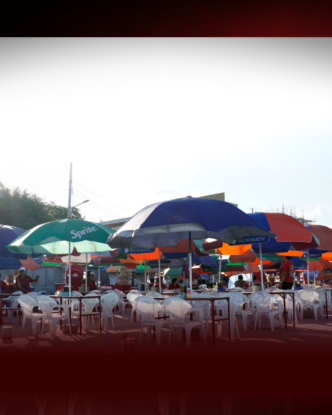
The Lourdes Teves Painitan Stall 12 stood in the Tiangge for more than 40 years, and operated even before the current market was built. The business prevails through its customers, both suki and casuals alike, who come specifically for the famous stalls.
While Anadon finds the renovation beneficial, he said relocation would be a challenge. “When it comes to business for the first month, first three months, first six months, grabe ang adjustment,” he said.
With the apparent relocation to either Pantawan or Colon, Anadon expressed that the distance, especially for their senior citizen sukis, would affect their sales. If profits dropped, staffing would have to be reduced.
“Ma-kuhaan kay dili na kaabot [ang kwarta] sa kaya’ng ipa-suweldo. […] Di man sad mi makapasagad ug pasuweldo if gamay ra jud ang sales,” he added.
(We would have to lessen the staff because we would not have enough [money] for their wages. […] We can’t just give them wages if we don’t have enough sales.)
Benjie Miral, a fruit vendor of 10 years, also expressed hopes for the relocation but emphasized accessibility and the assurance that the vendors’ livelihood will be sustained.
“Okay ra basta kay naa rami sa metro i-relocate wala ray problema. Ang among mga suki, mo sunod ra. Mao ra gyud na ang problema kung ma-layo na,” Miral shared.
(It’s okay as long as we are relocated within the metro; there wouldn’t be any problem. Our regular customers will follow. The only problem is if we are moved too far away.)
He also explained, “New project man na nila kuno pero mag depende pa na siya ug kami nga mga tindero, ma relocate mi ug maayo nga area. Ug dili na mahitabo, dili pod madayon kay dili man mi mu-pirma ana.”
(They said it is a new project, but it will still depend on us vendors, whether we will be relocated to a suitable area. If that does not happen, it will not push through because we will not sign for it.)
While some vendors found opportunity in the renovation, others viewed it as an obstacle that they may not be able to overcome. These concerns stem from possible price increases on produce and operating costs when modernized facilities are built.
“Nindot biya ilang plano. Pero mutaas gyud ang presyo,” said a former sidewalk vendor who recently moved to a vegetable stall in the public market.
(The plan is actually good. But prices will surely rise.)
Wet market vendors Alejandro Cruz and Lito Vergantinos also shared their sentiments on the effects of relocation. Cruz, who has spent 30 years working the complex, asserted opposition on both the relocation and renovation itself.
“Daghan man gung taga-tiangge nga dili musugot kay unsaon man na nimo’g sugot nga madugay man gud na unya ibalhin pud ning tiangge. Huna-huna pud ta nga kanang ang tiangge pud nga balhinan, ma arang-arang ba,” he said.
(Many market vendors would not agree because how can you expect them to approve when it will take a long time and the market will also be relocated. We also have to consider whether the new location where the market will be transferred will be decent.)
He also emphasized that the people of Tiangge would be amenable for change, “Musugot man usbon kay kinsa ma’y di layhan mubag-o.” But, he also expressed that renovation should not mean a total deterioration of the current market, “Ang gusto sa mga taga-tiangge, renovation ra ba, dili gub-on, dili usbon para dili na pud mugasto’g dako.”
(We would be fine with changes because who wouldn’t be?) (For us here in tiangge, it should only be renovation, not destruction, not total change so we won’t have to spend too much money.”
Vergantinos also raised concerns about the redevelopment costs being loaned.
He explained, “Pwede man ug [ang] sabot [about the renovation], ilang gub-on, pero dili i-loan kay dako man gud kag balaryon pagbalik nimo ani.”
(It would be possible if the agreement [about the renovation] is that they will demolish it, but not through a loan because that would leave us with a huge debt to pay afterward.)
A public consultation was conducted in May wherein city officials reported that the redevelopment project garnered support from 95 percent of the stall owners in attendance.
Vergantinos, however, claimed that during the public hearing, vendors were only presented plans on the new building itself and were not informed on the final area for relocation and the costs being loaned. He further stated that instead of allowing all stakeholders to attend, the consultation was only open to a selected few.
For the people of Tiangge, renovation can be helpful in improving the current market’s facilities. However, it also stresses the problem of where they will go once their stalls are buried under fresh cement.
If the plan is approved and fully implemented, the vendors would not resist change, but they also call on the government to give them sufficient support.
As Miral said, “Wala man mi supak ani ilang mga project, gobyerno man ni. Ang amo lang kay ang amoang karapatan sa mga tindero ug tindera, kanang [accessible place] ra nga okay ra ang mga mamalit.”
(We wouldn’t resist their project, they’re the government after all. What we just want is our rights as vendors, and an accessible place where we can still get customers.)
Anadon said reciprocal effort is essential in implementing a project such as this . “People to government and government to people to achieve what needs to be achieved,” Anadon furthered.
For over 40 years, the Dumaguete Public Market became a place where commerce is the language of mutual sustenance. As the corridors of Tiangge and tables of Painitan gather Dumagueteños, vendors hope that the cost of redevelopment does not come at the expense of their livelihood.