
By Dhel Sue Cabiara and Lealina Evangeline A. Reyes
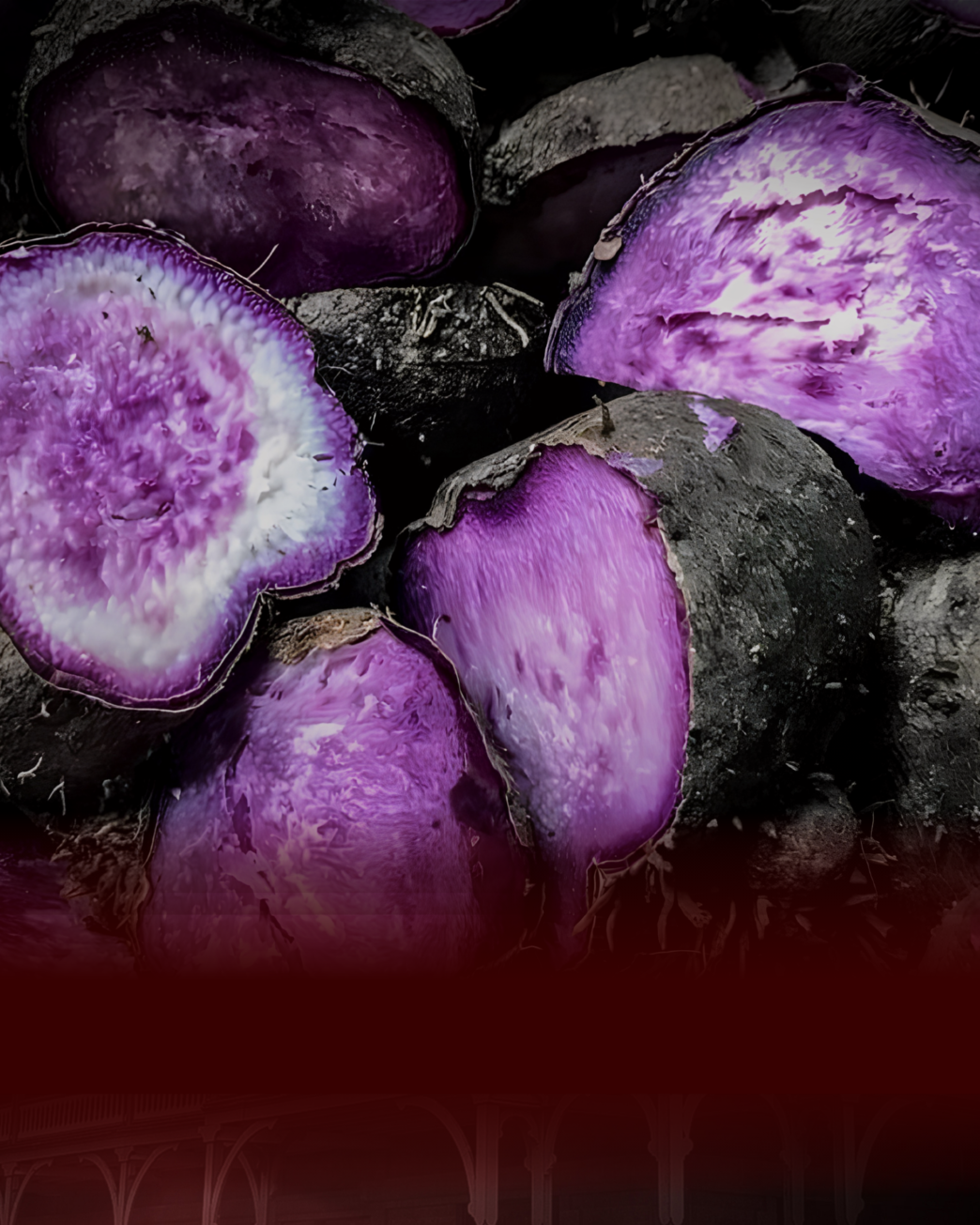
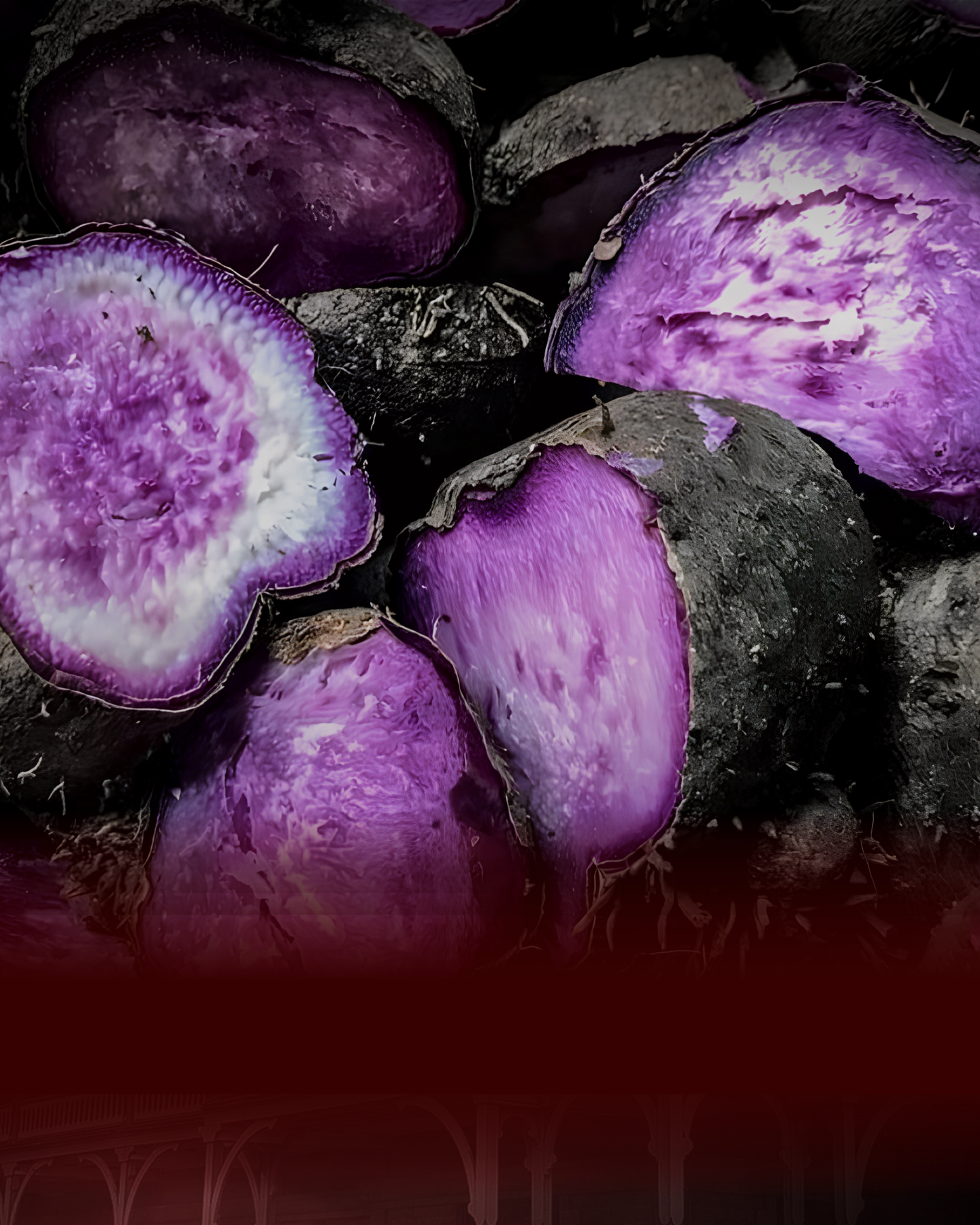
For more than 400 years, ube has been planted, harvested, served, and consumed with great appreciation. A crop deeply rooted in both soil and culture, it finds its way into Filipino desserts. Halo-halo, hopia, turon, halaya, ice cream, cakes, and pastries all share this distinct color and flavor of purple.
Ube, considered a staple Filipino food, is more than just a part of the country’s cuisine. Like many native root crops, ube has long sustained Filipino communities because it thrives even during droughts and pest infestations.
In recent years, it has transformed from being a locally beloved delicacy to a global food trend because of its “discovery” outside the Philippines. This turned the once locally familiar crop into a popular flavor in international food markets, giving rise to a global purple craze.
Along with its popularity, a growing demand also comes with social media trends, big-name cafes, and exotic menus redirecting their focus on the purple yam. Data from the Philippine Statistics Authority revealed that approximately 1.7-million kilograms of ube products were exported in 2025, amounting to 3.2-million US dollars.
Businesses from Western and Eastern countries have started incorporating it into various food products, with leading coffee shop chains including Starbucks, Costa Coffee, and Pret A Manger offering ube-flavored drinks on their menus.
“On Instagram alone, more than 760,000 posts feature #ube, and this is growing by the day—so while this new trend might be unfamiliar to some, it is undoubtedly becoming increasingly visible,” said Synergy Flavours European Category Manager Tom Cleghorn.
As more consumers continue to seek ube-based products, there is now a challenge in meeting the expanding market.
Although the Philippines remains the world’s leading producer of ube, farmers have struggled to expand production fast enough to meet rising demand.
Retired University of the Philippines (UP) professor and agricultural scientist Dr. Teodoro Mendoza said that this decline existed long before the purple craze, when only 12,483 metric tons of ube were produced in 2025 compared to the 15,000 metric tons in 2021. This significant decrease in production—due to rising demands amidst decrease in domestic supply—has pushed the importation of ube from Vietnam to supplement both local and international demand.
The necessity for higher ube production also created new challenges, especially for farmers. Grace Backian, Director of the Northern Philippine Root Crops Research and Training Center (NOPCRRTC), said that farmers lack planting materials during production.
In an interview with Deutsche Welle News, Backian said, “Since the foreign demand for ube has risen, the center has also received more requests for seedlings for expanding farmlands for ube.”
Before the ube craze, farmers were able to replant by keeping a portion of their crop, as Christopher Gomez, an ube distributor, shared on the German news site Deutsche Welle.
However, due to the recent surge, all produce are being sold, and seedlings are now sourced from suppliers and the local government.
“The potential farmlands here are expansive, but we barely have any seedlings. We have tried to ask the government, but we did not get any, and now we are receiving some materials from a non-governmental organization,” Gomez said.
Prior to ube’s global popularity, farmers used to sell their crops at a market price of ₱20 per kilogram. Now, the farmgate price has increased to ₱80 per kilogram.
Alonzo Nieves, founder of Philippine Ube Co., said that “The net effect is that international demand has outpaced organized Philippine supply for several years. Solving that isn’t a one-buyer, one-farm problem; it’s definitely more of a structural value chain build.”
To reconcile with these fast-emerging problems that farmers are facing, the Department of Agriculture (DA) allocated and distributed P2.6 million worth of ube planting materials to 900 farmers in key ube-producing areas in Leyte and Bohol.
In a statement, the DA said that boosting ube production will also boost the competitiveness of Philippine agriculture, which will support rural livelihoods and increase export earnings. Glenn Panganiban explains, “As ube gains worldwide recognition, we must ensure Filipino farmers are positioned to take advantage of the opportunities it creates.”
For centuries, ube has been a staple in the Filipino community. More than a local delicacy, the crop is also rooted in cultural identity. As ube becomes a worldwide phenomenon, the roots of the crop must not be forgotten. Amidst rising supply, the hands behind the purple must not be left behind.