
By AC Putong
Silliman University (SU) plans to conduct campus-wide disaster drills four times a year to strengthen disaster preparedness, SU Board of Trustees Chairperson Ricardo Balbido Jr. said.
Balbido said he instructed the Facilities Management and the Security Office on Aug. 14 to plan a schedule for four university-wide disaster drills each year.
“[The schedule will let us] know that on that particular day, there will be a drill, and [that] all the necessary preparations for that day will be done. And so that, even for budget purposes, alam na namin din yan na mag-drill, so didto na ang budget,” Balbido said.
The plan includes drills for fires, earthquakes, bomb threats, typhoons, and other natural calamities.
Balbido also said the administration prepared a disaster and safety plan for the Founders’ Day celebrations.
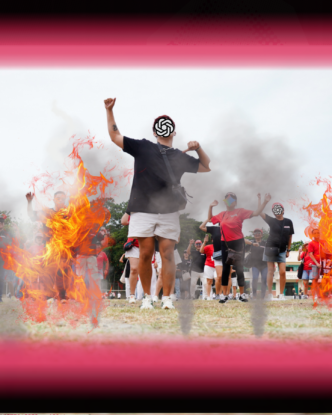
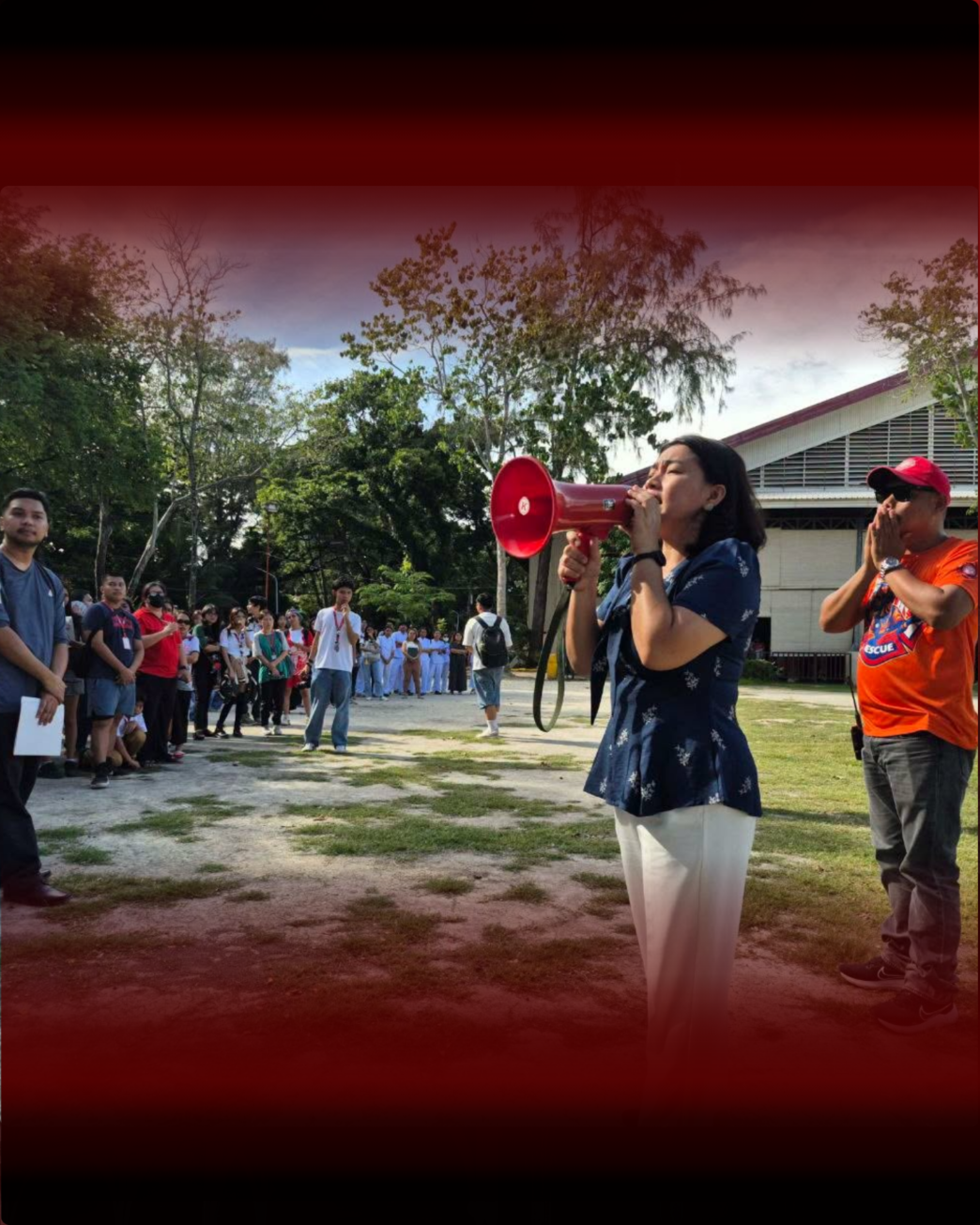
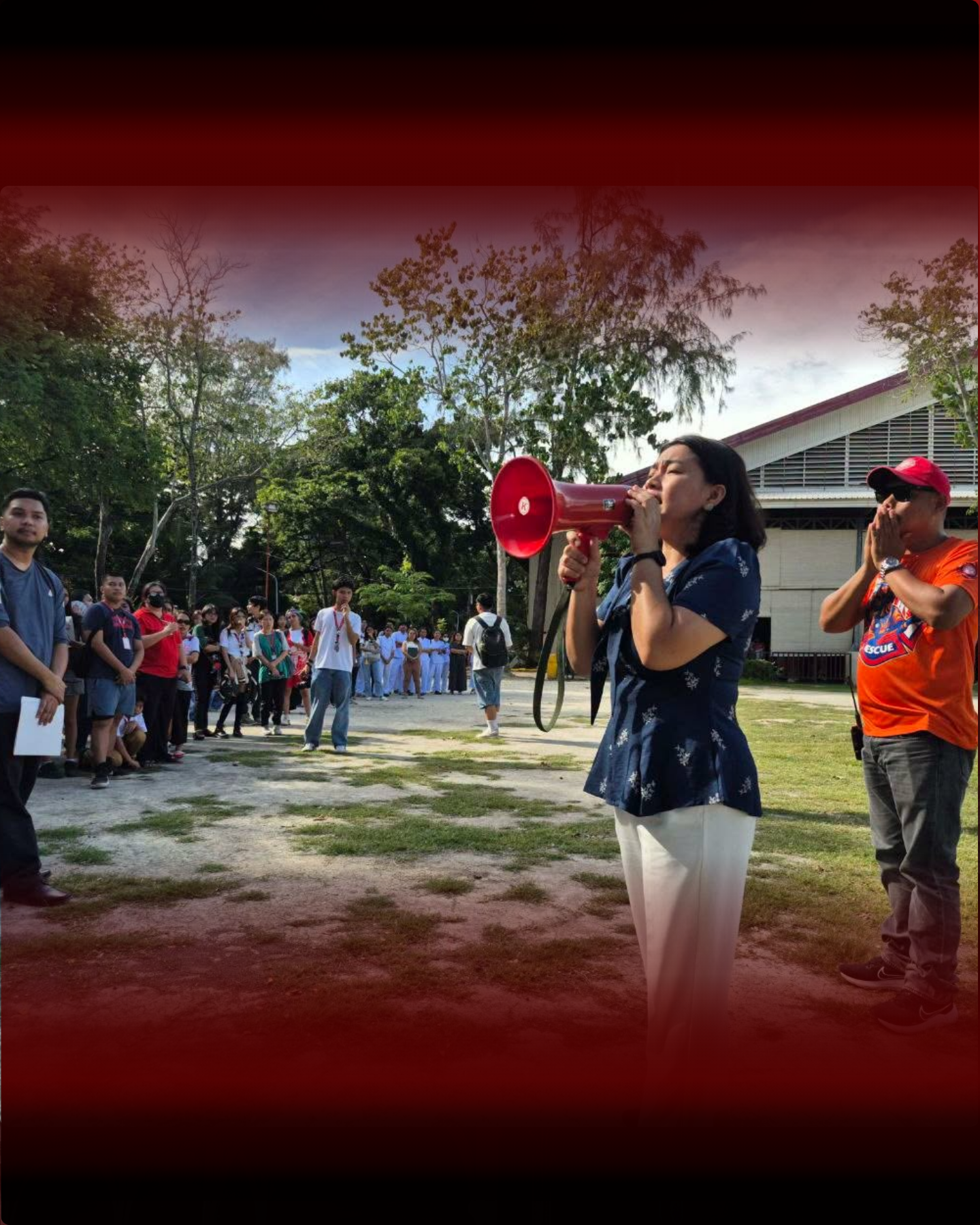
Moreover, the College of Arts and Sciences (CAS) and College of Computer Sciences (CCS) conducted a fire and earthquake drill with the College of Education (COE) on Aug. 6.
During the drill, the Silliman University Volunteer Fire Rescue taught students how to use a fire extinguisher to put out a fire.
CCS Dean Joy Dy said earthquakes last school year, and concerns over the aging structure of the Uytengsu Foundation Computer Studies Hall led the college to conduct the drill.
‘’Knowing we have the third floor, and the other [CCS] building kay medjo karaan na sad na, what triggered me to really decide to have [a drill] this year kay katong sige’g linog last year,” Dy said.
From September to December 2025, three earthquakes affected parts of Cebu and Valencia, with shocks also felt in Dumaguete City.
COE Dean Gina Bonior, meanwhile, said the drill was held to prepare for an upcoming department accreditation by the Philippine Accrediting Association of Schools, Colleges, and Universities (PAASCU).
“[The drills are] in preparation for the upcoming PAASCU accreditation, which includes CAS and COE,” she said.
CAS Dean Alana Leilani Narciso also said that the implementation of semestral drills will depend on budget and available resources.
“We would need to ask recommendations from the safety officer and the consultant on how often we can do it […], but from now on, the drills will be a staple in the CAS. Mu drill gud ta, mu orient gyud ta, because it’s very dangerous for us,” she said.
Balbido said the SU administration is also currently updating its calamity contingency manual.
It will serve as the University’s official disaster guidebook, which includes step-by-step safety and disaster response protocols.