

by Zephyra Dejan
With an institution as big as Silliman University (SU), standards that may be above and beyond what most imagine should be expected. High preventative measures with high quality security to ensure early detection when the worst comes is the bare minimum that any institution should have.
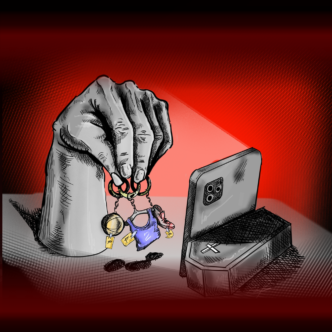
At SU, the recent bombing threat triggered widespread anxiety across campus. Those most affected were the students, faculty, staff, and administrators, suddenly uncertain about how to respond while the threat was happening. Some students were still within the campus vicinity because they were not made aware of the gravity of the situation in time. The incident struck at the heart of the campus during regular school hours, disrupting the normal rhythm of university life. It highlighted the absence of clear safety measures, no drills, no detailed emergency plans, and no systematic threat assessments to guide immediate action.
There was also the spark of an electrical wire behind Oriental Hall, which caused a small fire, yet students still gathered close rather than vacating the hazardous area.
Whenever there are earthquakes, the University lacks earthquake drills on campus, and not everyone knows what to do in this scenario, including where to locate the nearest emergency exit. Whenever there are typhoons and other calamities, students are left uncertain of what to do, even as parts of Dumaguete are prone to flooding.
To be fair, students also carry some share of the responsibility, familiarizing themselves with basic safety protocols, taking drills seriously when they are held, and moving away from danger instead of toward it out of curiosity. But that individual responsibility can only go so far when there is no institution providing the guidance to act on in the first place. Students cannot be expected to know a protocol that was never taught, or evacuate through a route that was never marked.
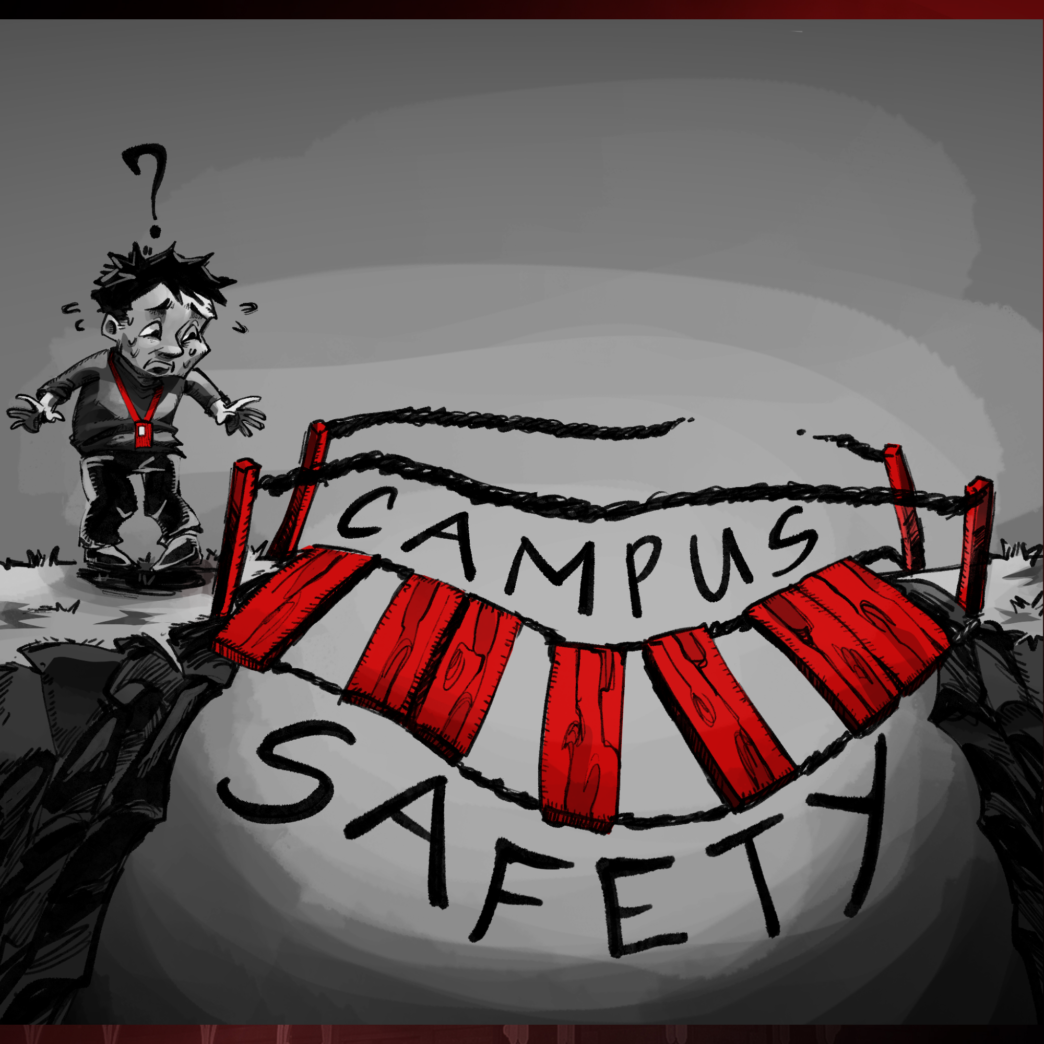
The University lacks safety plans, drills, and safety assessments, leaving students and faculty unprepared for emergencies. The lack of preparedness and clear, practiced protocols leaves them vulnerable to panic.
Silliman University has invested heavily in academics and infrastructure, yet risk reduction management and safety protocols remain underdeveloped. Only when inconveniences occur do actions follow, which is too late at that point. Fire drills are rare, earthquake preparedness is minimal, and bomb threat responses are not widely disseminated. Almost as if the most important information there is to offer is being gatekept. This absence of systematic safety measures undermines the very mission of the institution, to nurture and protect its students.
Beyond threats of violence, there are everyday concerns such as campus theft incidents, unauthorized entry through multiple gates, and the vulnerability of students during late-night activities. The University has responded with stricter gate inspections, ID verification, and coordination with local authorities, but questions remain about consistency and enforcement.
Security often gets noticed only after rules tighten in response to problems. That is reactive security, fixing issues after they happen. Real safety comes from being proactive, anticipating risks, preventing them before they occur, and preparing the community to respond calmly.
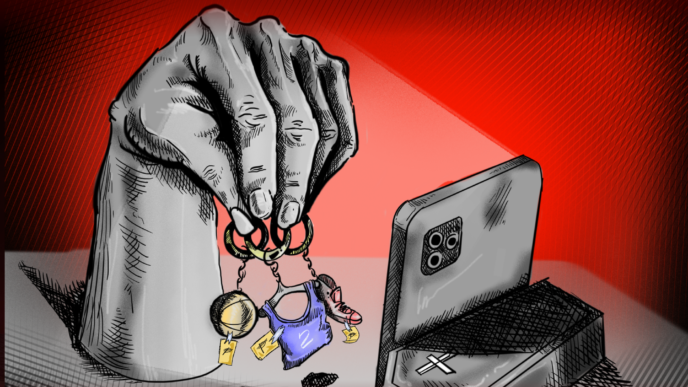
The incident at SU, specifically the recent bomb threat, is part of a wider pattern of threats against schools in the Visayas, showing that safety concerns are no longer isolated events. It points to the need for stronger, integrated security systems that combine physical safeguards like gate checks and patrols with digital monitoring to catch online threats early. At the same time, the University must remain open and welcoming as a center of learning, while also building resilience against modern risks so that students and faculty can feel both safe and free in their academic environment.
The Weekly Sillimanian calls on SU to take decisive action in safeguarding its community, to make security measures proactive, transparent, and consistent. This means moving beyond reactive responses and embedding preparedness into the daily rhythm of campus life. SU must commit to regular drills, clear communication, and integrated risk management systems that empower students and faculty to act calmly and confidently in any emergency. Protecting lives is not optional, it is the foundation upon which true learning and growth can thrive.
SU has improved its security, but the real test is whether those changes go beyond reacting to threats. In simpler terms, the University is safer now, but true safety means more than guards at the gates or cameras on campus. It requires a system that can anticipate risks before they happen, protect both physical spaces and digital systems, and build a community culture where everyone stays alert and looks out for one another. Safety should not be treated as an afterthought but as a core responsibility, one the University must build and one student must be given the chance to practice.