By: Kate Giordan Flores
On July 5, during its 2nd Regular Session, the 36th Student Assembly of the Silliman University Student Government (SUSG) received 11 resignation letters from members of its Majority Floor. The resigning representatives have since moved to an Independent Bloc, where they continue to fulfill their respective responsibilities.
During the same session, a motion of no confidence was raised against the Majority Floor leader. The motion failed, garnering only 12 votes in favor, while 13 voted against it and 20 abstained.
According to the Majority Floor leader, two internal discussions had already been conducted prior to the resignations to address concerns within the bloc. During these discussions, representatives were given the opportunity to raise grievances and assess their leadership, ultimately voting to retain the existing leadership structure.
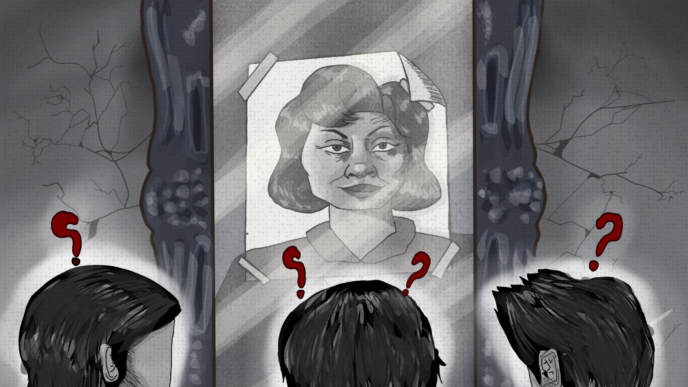
Yet when two more representatives stepped down during the session, bringing the total number of resignations to 13, questions inevitably emerged. The student body was left wondering where the Assembly was headed amid these tensions and, more importantly, why its members appeared unable to arrive at a clear and collective resolution.
To its credit, the Assembly followed proper procedures in handling the resignations and disclosed the developments publicly in the interest of transparency. It also facilitated the formation of an Independent Bloc to allow representatives who wished to continue serving under a separate arrangement to do so.
Still, the circumstances surrounding the resignations deserve a reflection.
How does a divide emerge within a body established to advance service and representation? While the resignations were a deliberate decision made by the representatives involved, they came as an unexpected development for the students they serve. More notably, the reasons cited for the resignations pointed to recurring concerns regarding leadership, communication, and the overall environment within the Floor.
Conflict in a leadership body is inevitable as different perspectives and personalities collide, but when disagreement turns to a mass resignation, it stops being an internal problem. If representatives feel unheard or misaligned with the direction of their leadership, it is a structural problem, not an individual dissatisfaction.
The situation also prompts reflection on how the Assembly reached a point where resignation and realignment became more viable options than resolving disagreements within the structure itself.
Students are well within their rights to question how these developments may affect representation, decision-making, and the credibility of the government that claims to speak on their behalf.
Discord within the student government serves as a test of whether its systems are capable of responding to disagreement, correcting shortcomings, and maintaining public trust. It is also a test of whether transparency extends beyond procedure and into meaningful accountability.
The Weekly Sillimanian urges the SUSG Assembly to review its systems and leadership structures and commit to reforms that prioritize communication, accountability, and shared goals over division. Students should not be treated as mere spectators to internal conflicts but as stakeholders who deserve clarity from the leaders they elected and entrusted with representation.
When the exercise of student representation reveals cracks in unity and decision-making, concerns about leadership direction are inevitable. Scrutiny from the student body is not an attack on those who serve. Rather, it is a necessary part of ensuring that student representation remains accountable to the trust placed in it.