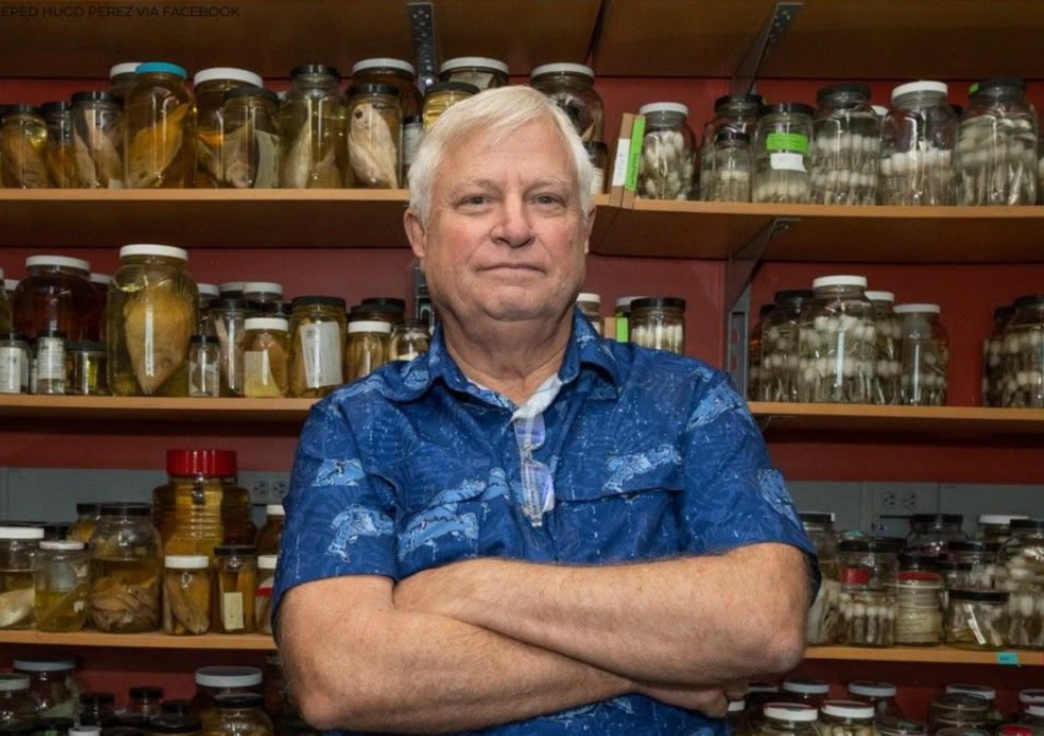


A marine biologist from Silliman University (SU), whose decades of work helped establish the Philippines as the Center of Global Marine Biodiversity, was found dead in his home in Barangay Ajong, Sibulan, Negros Oriental on July 12.
Dr. Kent Edward Carpenter began working with SU in 1976 with national scientist Dr. Angel Alcala and fellow marine scientists in pioneering studies on Philippine marine ecosystems
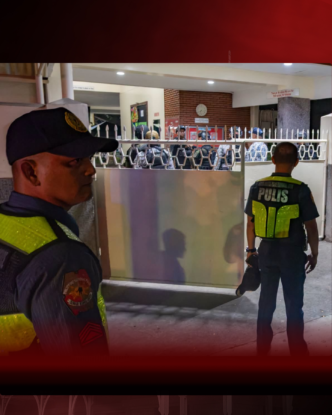
Three armed suspects allegedly shot Carpenter and wounded his Filipino companion while they were watching television, according to a Police Regional Office in Negros Island Region (PRO-NIR) media release.
PRO-NIR Director Brig. Gen. Romano Cardiño said the police are “treating the case with utmost urgency.”
“I have directed our investigators to exhaust all legal means to identify and apprehend those responsible at the soonest possible time,” he said.
The office then formed a special investigation task group, “SITG Carpenter,” to conduct forensic examinations, back and forward tracking operations, review CCTV footage, and conduct witness interviews.
Carpenter previously worked with faculty, researchers, and students of the SU Biology Department, Institute of Environmental and Marine Sciences, and Angelo King Center for Research and Environmental Management, in ichthyology, marine biodiversity, systematics, conservation biology, and evolutionary research.
In its statement last July 14, SU described Carpenter as a scientist whose life’s work “advanced the understanding and conservation of marine biodiversity around the world.”
The University wrote, “His legacy will continue to inspire future generations of Sillimanians committed to the advancement of science and the conservation of our marine environment.”
Carpenter was a Professor Emeritus of Biological Sciences at Old Dominion University where he identified the central Philippines, particularly the Verde Island Passage, as the world’s “Center of Marine Shore Fish Diversity.”
He was also an outspoken advocate for the protection of the Verde Island Passage, and stood against the construction of gas projects by San Miguel, Aboitiz, and Meralco in the area.
Among his most significant recent contributions was his leadership of the Albatross Re-Collection Project, a landmark evolutionary genomics initiative revisiting the historic collections of the U.S. Fish Commission Steamer Albatross.
Science and technology advocacy group AGHAM also called for justice following his death. “His work to study and conserve Philippine waters is testament of making science serve the people,” it wrote.
He also opened opportunities for Filipino graduate students and researchers to collaborate with international institutions through the Partnerships for International Research and Education program.
Carpenter’s work on the ecology and fisheries of rabbitfish and the impacts of microplastics on marine organisms in Negros Oriental also informed conservation and sustainable resource management.