by Daniel Enrico
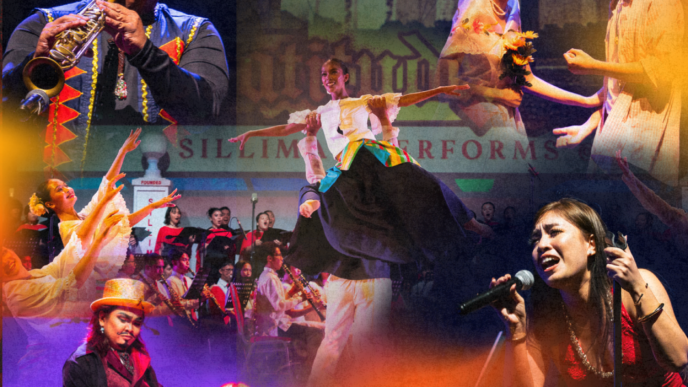
A soprano’s voice filled the auditorium as Dandansoy began, accompanied by two dancers moving across the stage. The familiar Visayan folk song opened Musikapuluan not simply as a performance, but as a first glimpse into the country’s living musical traditions. From the Visayan songs and dances of Dandansoy, Muya Muya, and Sinakiki to the Maranao music that followed, the evening brought stories from across the Philippines into one stage.
Presented under the theme, “SUGILANON: A National Summit and Dialogue on Sustaining the Ecology of Living Philippine Music Traditions,” the performance placed these traditions side by side on one stage. They were not presented as pieces left behind by time, but as music still being learned, performed, and passed on.
The idea of Sugilanon, a Cebuano word meaning ‘story,’ was reflected throughout the performances. Each musical tradition carried traces of the people and communities behind it, turning the stage into a place where audiences could encounter stories through sound rather than simply read about them.
The first part of the program moved through different sounds and movements rooted in Filipino life. After Dandansoy, a Visayan folk song about love and longing, the SU Dance Company performed “Muya Muya,” a traditional dance from the Visayas. Melody Enero-Lumagod, soprano, then performed “Usahay, Gaano Kita Ka Mahal” with the SU Orkestra Sin Arco, directed by Asst. Prof. Mathilda Brojo. The two groups later came together for “Sinakiki,” a Bicolano dance often performed during celebrations. From songs of longing to dances passed down through generations, each piece carried something familiar. The way Filipinos love and keep stories alive through music.
The program then shifted to a bandurria solo by 12 year-old Soleil AmelleGarcia, accompanied by Chios Danko Castaneda. The performance was followed by a Philippine medley, where the Loboc Children’s Choir sang “Bahay Kubo,” “Iti Ayat A Bannatiran,” “Pasigin,” and “Sa Daplin Sa Baybayon.” Their young voices brought a different energy to the stage, but more than that, they offered a glimpse of how traditions can continue into another generation. Even at a young age, they showed how musical traditions can be valued and carried on by the next generation
For Joey Ayala, a singer-songwriter and performer of ‘Saysay at Salaysay,’ being part of the gathering was not only about performing but he also came because he wanted to listen to different perspectives.
“Para sa akin ang kahalagahan nito, one thing, kaya ako interesado ako pumunta dito aside from singing, I want to listen to the ideas from different perspective about situations,” he said.
His words echo the spirit of the evening: music becomes another way of exchanging ideas. The audience listens to the musicians, while the performers bring with them traditions shaped by the people and communities who came before them.
That exchange became particularly visible when Kagkariala sa Kaprangaranan brought Maranao folklore to the stage through the Kariala and Kapingtaw Ensemble. Presented as a festival of gongs for peace and goodwill, the performance changed the atmosphere of the auditorium as the sound and movement of the ensemble filled the stage.
For Ian Cardoza, one of the performers of Kagkariala sa Kaprangaranan, their presentation was meant to educate while entertaining the audience.
“Yung performance namin tonight is all about Maranao folklore. We are performing here also to educate, and at the same time we want everybody to be entertained,” he said.
The audience was introduced to Maranao folklore through music and movement, allowing the story to unfold rather than simply be explained.
In a country shaped by diverse cultures and traditions, bringing a Maranao story to Dumaguete allowed its songs and stories to find a new audience far from where they began.
Musicians learn from others, performers practice what has been passed down, teachers share what they know, and communities continue to remember. The few minutes seen onstage can represent years of learning and generations of cultural knowledge.
A living Philippine music tradition, after all, survives not simply because it has been documented. It continues because people practice it, perform it, teach it, and listen to it. The presence of the young performers in the program made this especially clear.
The children of the Loboc Children’s Choir and the 12 year-old Garcia were not only performers in an evening about sustaining tradition. They were also part of what allows those traditions to move forward. In a time when music can easily be accessed through digital screens, seeing children learn and perform these songs and instruments offered a reminder that preservation can also happen through participation.
When the program continued with Joey Ayala’s Saysay at Salaysay and later Ahay Tuburan, Kon Duna Kay Kasakit, arranged by Jules Steven Josol and performed by the SU Concert Band under the direction of Asst. Prof. Joseph Albert Basa, the different performances had already begun to form one larger story.
The University provided the setting for that encounter, but the evening remained centered on the traditions brought to the stage. From the opening Dandansoy to the final notes of the SU Concert Band, the program allowed audiences to encounter Philippine music through the people who continue to perform it.
When the final performance ended, the auditorium slowly returned to silence. The musicians left the stage, the instruments were put away, and the applause faded—but the stories did not necessarily end there.
They could remain with the student who became curious about Maranao folklore, the listener who encountered a new sound for the first time, or the young performer who may one day find someone willing to carry the tradition forward.
And perhaps that is what makes Musikapuluan meaningful: it shows what happens when traditions are given people, a stage, and an audience willing to listen.
It does not simply present Philippine music as something from the past. It allows those traditions to be heard in the present, carried by the people who perform them and by those who will learn them next.
When performers continue to play, when audiences continue to listen, and when the next generation continues to learn, the story does not disappear.
It remains in the music that continues to fill the stage.