
by Glen Andrea Omandam
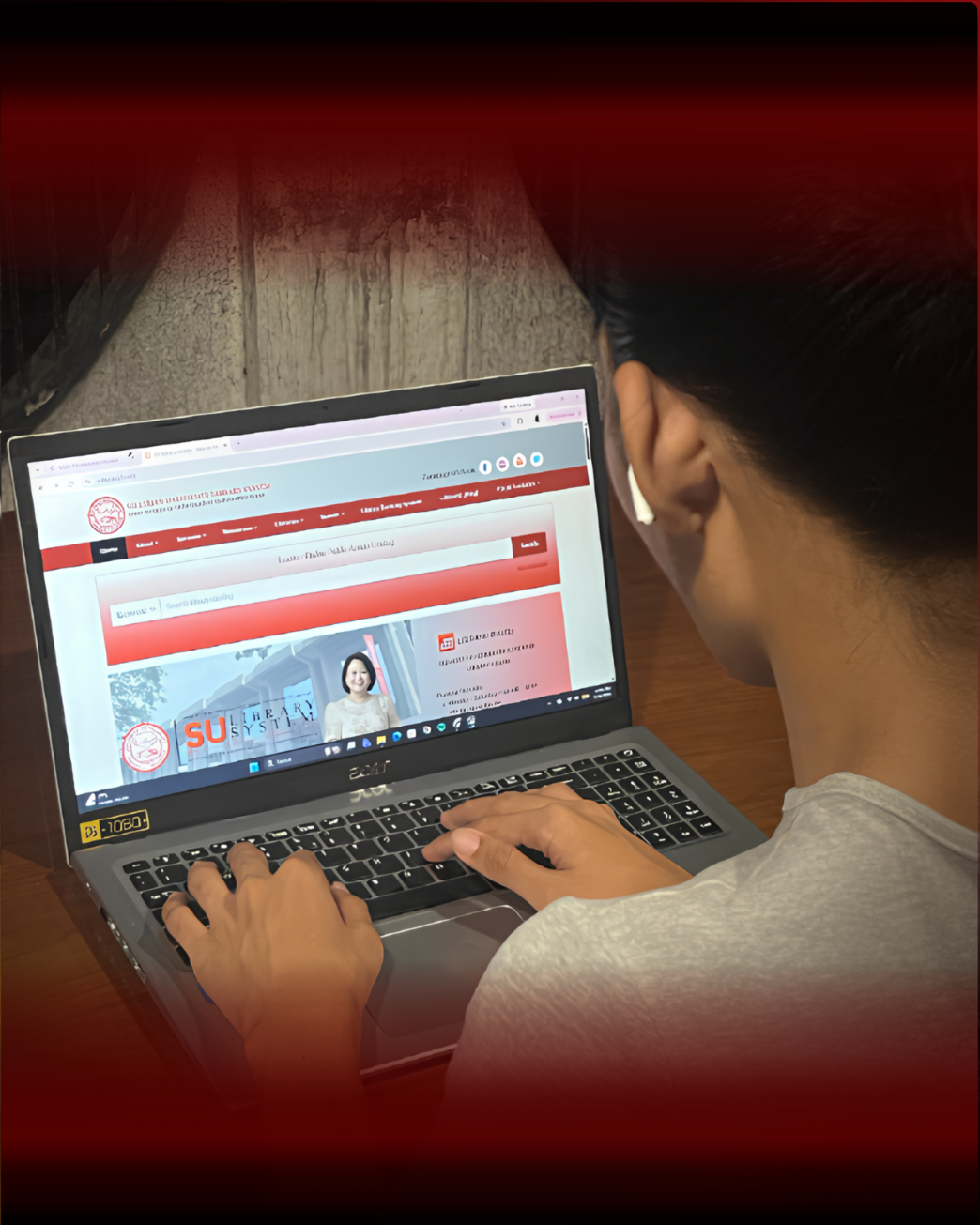
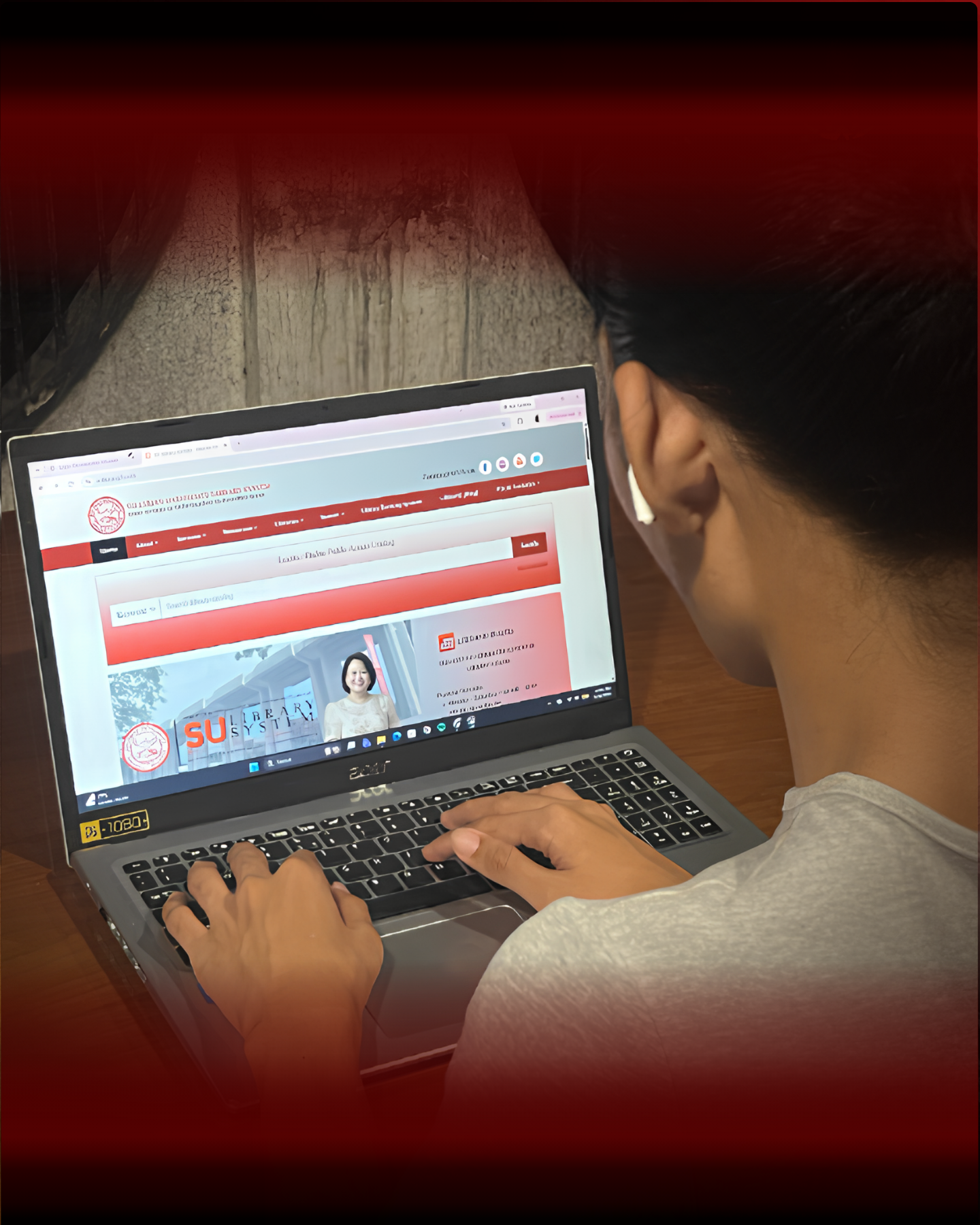
The TIPIGANAN digital archive and SU Instructional Media and Technology Center (SU-IMTC) booking website officially opened on Aug. 12 at the Allied Health Engagement Hall.
TIPIGANAN, a Cebuano word meaning “a place where things are kept,” is a digital repository of the university’s academic, research, cultural, and historical records.
SU Digital Services Librarian Liezel Mohillo said the website aims to improve the visibility of unpublished papers and scholarly materials that are “difficult to discover through traditional library resources.”
The website includes institutional resources like photographs, speeches, audio and video recordings, records of buildings, landmarks, fixtures, and instruments, and other multimedia.
“TIPIGANAN can make these materials more discoverable and useful for future studies, references, and further research. At the same time, the platform will help preserve materials that may be vulnerable to deterioration or loss,” she said.
She added that the process of identifying, encoding, and preserving these resources will be “continuous because institutional knowledge and historical records continue to develop over time.”
“Students should take advantage of the opportunity to discover materials that they may not normally encounter through conventional library searches. Some of the most valuable sources for research are not necessarily the most visible ones,” Mohillo said.
Moreover, with the new IMTC booking website, SU Instructional Media and Technology Center (SU-IMTC) Director Rigel Suarez said they transitioned to the online website to provide “a convenient way to access its services.”
“One feature we particularly invite the community to check out is the events section, where you can view past, ongoing, and upcoming events supported by IMTC,” he said.
The website is an IMTC initiative developed with the assistance of the Office of Media and Public Affairs to streamline services and make bookings efficient and accessible.
“The old booking process was largely manual, which made it slower and less efficient for both our clients and the IMTC staff. It also made scheduling, monitoring, and generating reports more challenging,” Suarez said.
He estimated that around 80- to 90-percent of IMTC resources and services users transitioned to the online booking system.
“Students, faculty, and staff can submit their requests and book IMTC facilities and services anytime and anywhere. There is no longer a need to personally visit the IMTC office just to make a reservation,” Suarez said.
The SU-IMTC director said the website received positive feedback from users such as its convenience and accessibility.