By: Daniel Enrico
Trigger warning: This article tackles and mentions the topic of suicide.
Sometimes, it’s the small actions that give people enough reason to keep reaching for tomorrow.
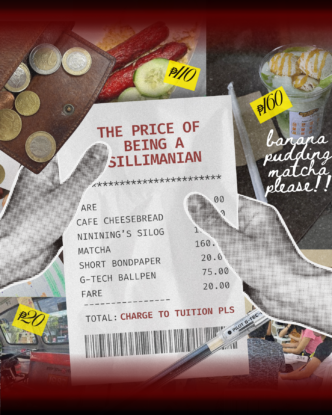
Every September, Suicide Prevention Month keeps reminding us that holding on can be harder when everyday life is already filled with pressure. For many Filipino families, making ends meet means stretching a paycheck across food, bills, education, and emergencies.
In 2023, 22.1-percent of Filipinos in rural areas lived below the poverty threshold, compared with 10.3% in urban areas. In Central Visayas, workers earn a minimum daily wage of P500 to P540, depending on the area.
Pressures do not explain suicide on their own, but they can add to the burdens people carry each day. Behind these are families constantly adjusting to what they can afford. Parents work longer hours, students worry about staying in school, and workers return home exhausted while responsibilities remain.
With this, suicide is influenced by multiple factors, and there is no single explanation for why a person may experience suicidal thoughts or behavior.
Conversations should not focus only on what happens when someone reaches a breaking point. They should also look at the conditions people live with every day, and ask a deeper question: What gives people reasons to keep going, and how can we help make those things possible?
The answer to this will not look the same for everyone. It may be a family that provides belonging, a friend who checks in, accessible healthcare when help is needed, reliable transportation that keeps opportunities within reach, or maybe quality education that opens doors to a better future. Anything that is connected to our everyday life. Because sometimes, suicide prevention begins with making everyday life a little more livable.
But together, these everyday forms of support can make difficult moments less isolating and make help, stability, and opportunities easier to reach, and that is where the little things begin to matter.
According to the World Health Organization, mental health cannot be supported by healthcare alone; education, employment, social connection, safe environments, and access to basic needs all help shape the conditions in which people live, cope, and move forward.
However, none of these can guarantee that someone will never struggle. A friend who checks in cannot solve everything, just as accessible healthcare, reliable transportation, or quality education cannot erase every hardship. Every person’s problem is different from others.
This means suicide prevention can extend beyond counseling rooms and hospitals. It can begin in schools where students facing financial hardship are supported to stay or return, and where struggling students are given opportunities to recover instead of being defined by failure. It can also mean ensuring that a child’s access to quality education is not determined by their family’s income.
But still, no single act of kindness can guarantee that someone will not reach a crisis, and difficult circumstances affect people differently. The little things matter, but they are part of a wider network of care.
Perhaps this is why suicide prevention must also be seen in the ordinary conditions that shape people’s lives. A student being able to stay in school despite financial hardship can be suicide prevention. Affordable healthcare, safe transportation, decent work, and spaces to pursue what gives life meaning can be, too.
These may seem unrelated to suicide at first, but they can give people something to hold on to: stability today and the possibility of a better tomorrow.
Little things may look ordinary when seen on their own. But together, they can shape whether a person feels supported, secure, and able to imagine a life beyond their present struggles. That is why suicide prevention cannot be left only to moments of crisis. It also asks what we can change in the everyday lives of people around us—because sometimes giving someone a reason to keep going begins with making tomorrow feel possible.