
by: Carl Anthony R. Calumba
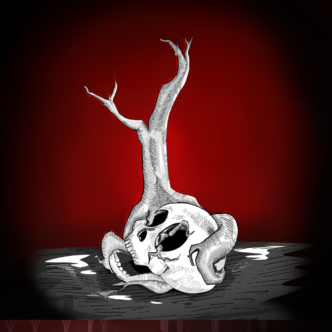
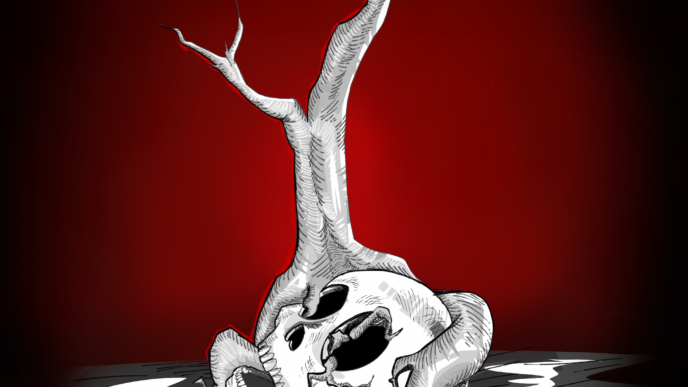
The deaths of two young men in the waters off Dipaculao, Aurora, on June 8 were not accidents. They were the consequence of a system that places athletic ambition above the lives of the student-athletes it claims to develop.
Rene Clert Baterbonia, 19, and Chukwuemeka Divine Adili, 21, drowned during an Ateneo de Manila University Blue Eagles team-building and conditioning camp at Hermanos Leisure Farm and Surf Camp. According to reports, the athletes were instructed to wade into open water when strong currents swept them away. The National Bureau of Investigation confirmed their cause of death as asphyxia by drowning.
These are facts. What follows is a reckoning that Ateneo, the University Athletic Association of the Philippines, and collegiate sports in the Philippines cannot afford to delay.
Drone footage cited in media reports showed no rescue personnel present during the camp, while emergency logs reportedly indicated a 24-minute delay between the drowning and emergency call. These details are not incidental. They are the story.
Former players have described Ateneo’s training culture as militaristic and extreme. When that culture sends athletes into uncontrolled open-water environments without adequate safety infrastructure, it crosses from competitive rigor into recklessness. The question is not whether the Blue Eagles win championships, but whether the institution responsible for these young men took every reasonable precaution to bring them home alive.
Baterbonia came from Talacogon, Agusan del Sur, he was the 2025 Palarong Pambansa Most Valuable Player. His mother said she was not informed about the specific activities her son would undertake at the camp. She only learned of his death through an Ateneo Facebook post before anyone from the university contacted her directly.
Adili, a Nigerian student-athlete who played center for the Blue Eagles in University Athletic Association of the Philippines (UAAP) Season 88, was far from home. His family has requested an independent autopsy before his remains can be repatriated.
These families were not given the dignity of hearing the truth first. When a 19-year-old from the province and a 21-year-old from another country sign to represent a university,It assumes a duty of care that does not diminish at the start of preseason training. It should intensify.
This is not merely an Ateneo problem. It is a Philippine collegiate sports problem.
The UAAP operates within a framework where safety protocols are largely self-policed by individual schools. There is no mandatory league-wide standard for off-campus training camps. There is no required ratio of safety personnel to athletes in high-risk environments. There is no independent overseeing body ensuring that competitive excellence does not outpace the duty to protect young lives.
Team’s Head coach Tab Baldwin has resigned. Team manager Epok Quimpo has stepped down. These departures may be appropriate, but this is not accountability. Individual resignations cannot substitute for institutional reform. Ateneo has expressed grief—and grief is not accountability.
The UAAP said it will wait for investigation results before acting. However, if it does not move with urgency to establish mandatory safety standards for off-campus training camps, it becomes complicit in the next preventable death.
The reforms needed are not complicated: mandatory safety protocols for off-campus training, independent oversight of high-risk activities, clear communication channels with families, and UAAP-wide standards uniformly enforced across all member schools.
Baterbonia and Adili were not raw materials for a trophy case. They were students. They were sons. Both deserved institutions that would protect them with the same commitment devoted to winning.
The Weekly Sillimanian urges the University to release a full and transparent account of what happened and what reforms are now underway. We urge universities nationwide to ensure no family learns of their child’s death through a social media post. We urge student-athletes to know they have the right to question unsafe conditions and to say no.
The water does not forgive carelessness. Neither should we.